



Pick Up
1562. Conserving Vegetable Diversity to Diversify Diets
Related Research Program
Information

1562. Conserving Vegetable Diversity to Diversify Diets
While insufficient vegetable intake has become a global health concern, the diversity of vegetable species, varieties, and crop wild relatives that support our diets is also being lost. A Perspective published in PNAS argues that conserving vegetable biodiversity and linking it to breeding, school meals, local markets, and policy can be key to improving nutrition and building food systems resilient to climate change.
The Perspective positions vegetable biodiversity as an important but underused lever for improving diets, at a time when global vegetable consumption remains far below recommended levels. Vegetables provide vitamins, minerals, dietary fiber, and other nutrients essential for health, yet they are not consumed in sufficient quantities because of limited production, relatively high prices, and differences in food culture and preferences. The authors point out that, in addition to these constraints, inadequate conservation and use of the diversity of vegetable species, varieties, landraces, and wild relatives are hindering efforts to improve nutrition and adapt to climate change.
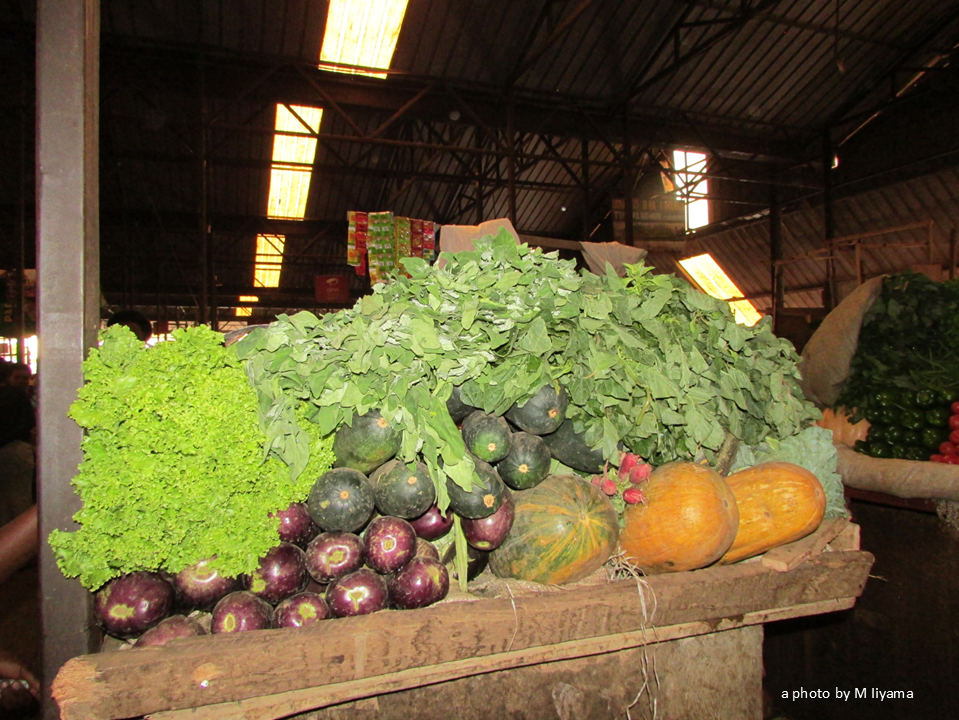
According to the article, vegetables have an especially broad phylogenetic diversity among plant-derived food groups, and many different plant parts—including leaves, fruits, roots, stems, and flowers—are consumed as vegetables. At least 1,482 vegetable species have been identified worldwide, and the actual number is likely even higher. However, vegetable diversity is being lost as markets become more homogenized, land use changes, and local varieties and food cultures decline. Many studies on the genetic erosion of vegetables over the past century have reported substantial losses of varietal and genetic diversity, and some wild relatives of major vegetables are also at risk of extinction.
To connect vegetable diversity with improved diets, the authors propose four areas of action. First, local varieties and wild relatives should be collected, regenerated, and conserved in areas where biodiversity and malnutrition overlap. Second, conserved diversity should be used in research, breeding, and variety testing to develop nutritious new varieties that are resilient to climate change, pests, and diseases. Third, diverse and nutrient-rich vegetables should be incorporated into the diets of children and vulnerable groups through school meals, home gardens, and local markets. Fourth, vegetable biodiversity should be integrated into policy frameworks for agriculture, nutrition, health, education, climate change, and biodiversity.
The article highlights examples such as spider plant in Africa, bitter gourd in Asia and the Caribbean, slippery cabbage in the Pacific, and pumpkin. Each has significant potential in terms of nutrition and climate adaptation, but challenges remain in conserving genetic resources, multiplying seed, strengthening breeding systems, and providing policy support. The authors suggest that linking the conservation of vegetable diversity with dietary improvement is a feasible and scalable approach.
The lack of vegetables in diets is not only a question of quantity. It is also a question of diversity: which vegetables are conserved, bred, produced, and delivered to the table, and where and how this is done. Conserving and using vegetable genetic resources, including local vegetables and wild relatives, could become an important pillar of food system transformation by simultaneously supporting nutrition, climate change adaptation, and biodiversity conservation.
Reference: Maarten van Zonneveld, et al. 2026. Reversing vegetable biodiversity loss to diversify diets. PNAS, 123(31): e2532063123. https://doi.org/10.1073/pnas.2532063123
Contributor: Miyuki IIYAMA, Strategic Coordination Office