



Pick Up
1544. Global Hunger Declines for a Third Consecutive Year, Yet 645 Million People Remain Hungry – SOFI 2026
Related Research Program
Information
1544. Global Hunger Declines for a Third Consecutive Year, Yet 645 Million People Remain Hungry – SOFI 2026
FAO, IFAD, UNICEF, WFP, and WHO have released The State of Food Security and Nutrition in the World (SOFI) 2026, reporting that the number of people affected by hunger worldwide declined for the third consecutive year, reaching approximately 645 million people, or 7.8% of the global population, in 2025. Despite this progress, the pace of improvement remains slow, and achieving SDG 2 (Zero Hunger) by 2030 remains a major challenge.
The report also estimates that around 2.1 billion people (25.8% of the global population) experienced moderate or severe food insecurity in 2025. Although this represents an improvement compared with 2020, food insecurity remains at an unacceptably high level. Africa, in particular, is now home to approximately 309 million hungry people, surpassing Asia for the first time as the region with the largest number of undernourished people due in part to rapid population growth.
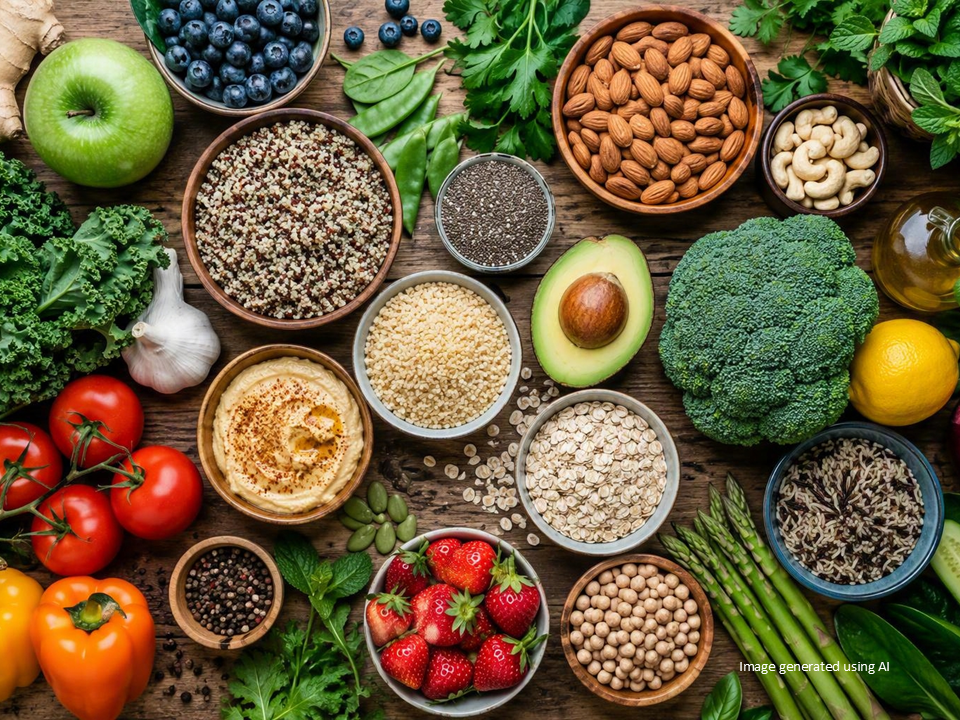
The central theme of the 2026 report is the high cost of a healthy diet. According to the report, approximately 2.7 billion people worldwide cannot afford a healthy diet. In Africa, nearly two-thirds of the population are unable to afford nutritious food.
The report further highlights that food insecurity remains more severe in rural areas and continues to disproportionately affect vulnerable groups, particularly women and children. It emphasizes the need not only to strengthen food systems but also to expand policy reforms and investments aimed at reducing the cost of healthy diets.
In addition, the report examines how conflicts in the Middle East and broader economic instability may affect global food security in the coming years. It warns that widening regional disparities and geopolitical risks are likely to become increasingly important determinants of future food security and nutrition outcomes.
While global hunger has shown modest improvement in recent years, progress remains uneven across regions, and access to healthy diets continues to be beyond the reach of many people. SOFI 2026 reiterates that addressing hunger and malnutrition requires not only ensuring sufficient food availability, but also improving access to nutritious and healthy diets.
Reference
FAO, IFAD, UNICEF, WFP and WHO (2026). The State of Food Security and Nutrition in the World 2026: Understanding and Addressing the High Cost of a Healthy Diet. Rome.
https://doi.org/10.4060/cd8306en
Contributor: Miyuki Iiyama, Strategic Coordination Office