


Pick Up
1563. One-Quarter of the Global Population Faces Extremely High Water Stress
Related Research Program
Information
1563. One-Quarter of the Global Population Faces Extremely High Water Stress
According to new data from WRI’s Aqueduct Water Risk Atlas, 25 countries, home to one-quarter of the global population, face extremely high water stress each year. These countries regularly use up almost their entire available renewable water supply. At least half of the world’s population, or around 4 billion people, lives under highly water-stressed conditions for at least one month of the year.
Water stress is the ratio of water demand to renewable supply; the narrower the gap between supply and demand, the more vulnerable a place becomes to water shortages. WRI defines “extremely high water stress” as a situation in which at least 80% of available water supply is withdrawn, while “high water stress” means that at least 40% is withdrawn. Global water demand has more than doubled since 1960, driven by population growth and the expansion of irrigated agriculture, livestock production, energy generation, and manufacturing.
The Middle East and North Africa is the most water-stressed region in the world, with 83% of its population exposed to extremely high water stress. South Asia follows, with 74% of its population exposed. The most water-stressed countries include Bahrain, Cyprus, Kuwait, Lebanon, Oman, and Qatar, where limited water supply combined with domestic, agricultural, and industrial demand creates acute pressure. Even short-term droughts can therefore affect drinking water, agriculture, industry, and power generation.
Water stress is projected to worsen. By 2050, global water demand is expected to increase by 20–25%, and an additional 1 billion people may live under extremely high water stress. In the Middle East and North Africa, the entire population is projected to face extremely high water stress by 2050. In Sub-Saharan Africa, where many countries are not currently extremely water-stressed, water demand is projected to rise by 163%, highlighting the need for sustainable water management as irrigation and domestic water use expand.
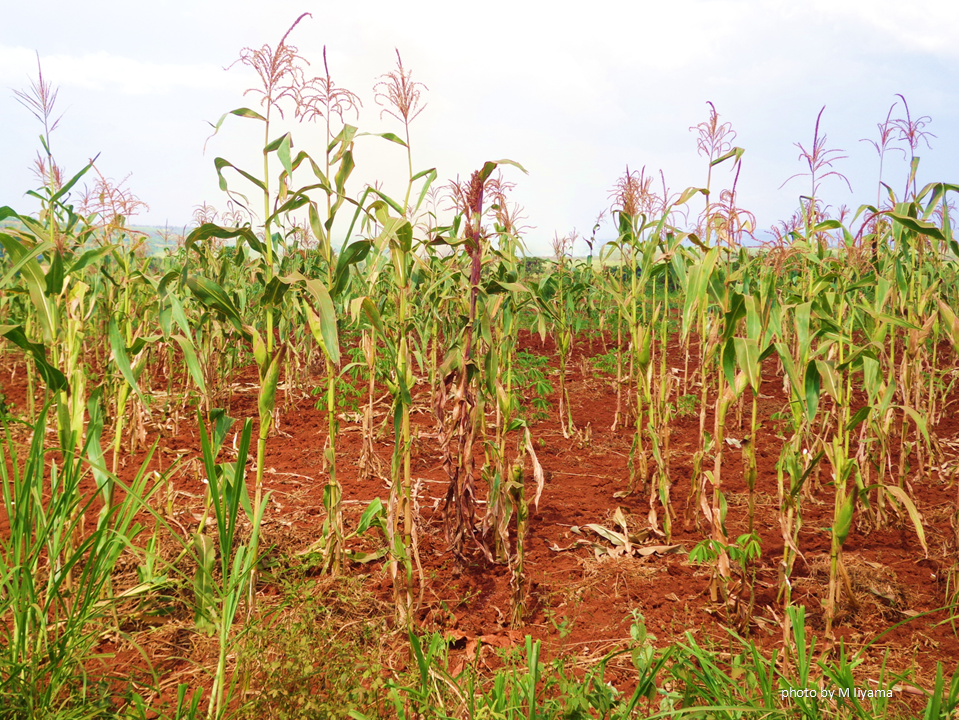
Water scarcity also poses major risks to economic growth and food security. Aqueduct data suggest that by 2050, 31% of global GDP, worth about US$70 trillion, could be exposed to high water stress. Already, 60% of the world’s irrigated agriculture faces extremely high water stress, with key crops such as sugarcane, wheat, rice, and maize especially exposed.
However, water stress does not inevitably lead to crisis. WRI notes that better water governance, improved agricultural water-use efficiency, integrated water resource management, nature-based and green infrastructure, wastewater reuse, urban water resilience planning, and the adoption of water-prudent energy sources such as solar and wind can reduce risks. As climate change, population growth, and economic development increase water demand, comprehensive and locally tailored water management will be essential for a water-secure future.
Reference: Kuzma, S., Saccoccia, L., & Chertock, M. (2023). 25 Countries, Housing One-Quarter of the Population, Face Extremely High Water Stress. World Resources Institute. https://www.wri.org/insights/highest-water-stressed-countries
Contributor: Miyuki IIYAMA, Strategic Coordination Office