


Pick Up
1545. The Future of Sustainable Mangrove Management on the International Day of Mangroves — New Opportunities for International Collaboration Emerging from MMM7 and the JIRCAS Workshop
1545. The Future of Sustainable Mangrove Management on the International Day of Mangroves
New Opportunities for International Collaboration Emerging from MMM7 and the JIRCAS Workshop
Every year on July 26, UNESCO observes the International Day for the Conservation of the Mangrove Ecosystem. The day serves as an opportunity to raise awareness of the value of mangrove ecosystems, which play vital roles in climate change mitigation, biodiversity conservation, coastal protection, and the sustainable development of local communities. This article highlights discussions from the 7th Mangrove Macrobenthos and Management Conference (MMM7) and a workshop organized by the Japan International Research Center for Agricultural Sciences (JIRCAS), exploring future prospects for international collaboration toward sustainable mangrove management.
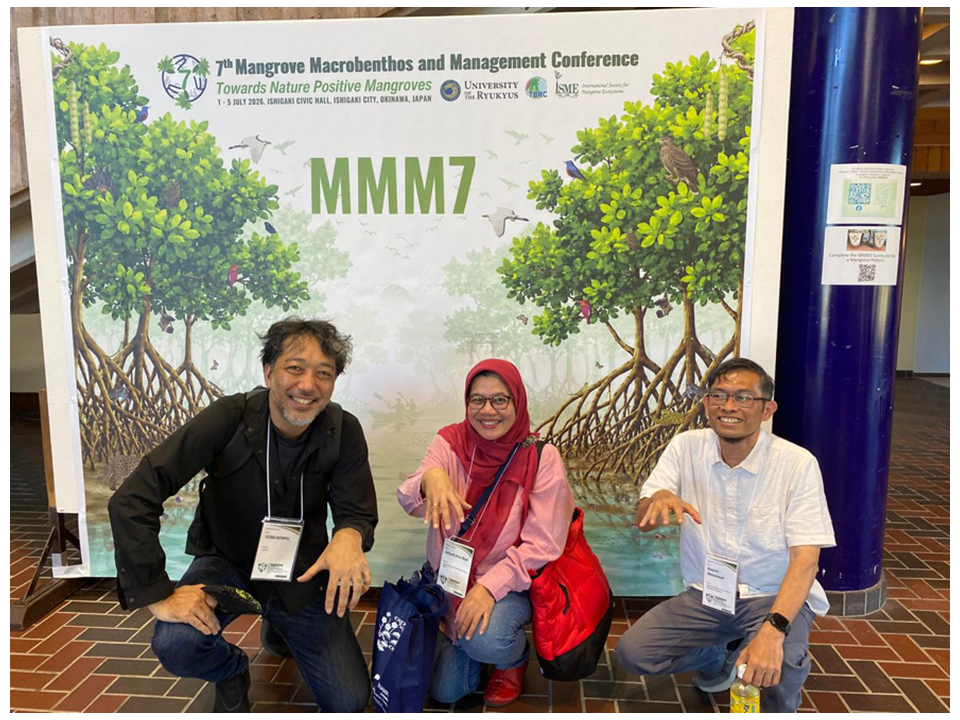
Ahead of the International Day of Mangroves, the 7th Mangrove Macrobenthos and Management Conference (MMM7) was held in Ishigaki City, Okinawa, Japan, from July 1 to 5, 2026. Since its inaugural meeting in Kenya in 2000, the MMM conference series has been hosted in Australia, Sri Lanka, the United States, Singapore, and Colombia. Organized by the University of the Ryukyus, MMM7 marked the first time that the conference was held in Japan. Under the theme “Towards Nature Positive Mangroves,” researchers, practitioners, and policymakers from around the world gathered to share knowledge and research findings on biodiversity, blue carbon, coastal protection, ecosystem restoration, and sustainable management (https://mmm7.mangroves.info/home).
Mangroves are among the most productive ecosystems on Earth. They provide habitat for a wide variety of species while protecting coastal communities from storm surges and shoreline erosion. In recent years, they have also attracted growing attention as a blue carbon ecosystem because of their high capacity to capture and store carbon, contributing to climate change mitigation. At MMM7, active discussions extended beyond ecological functions to include integrated approaches that address livelihoods, governance, and sustainable development in local communities (Figure 1).
To translate the knowledge shared at this international conference into practical conservation, restoration, and policy actions in Southeast Asia, JIRCAS took the opportunity provided by MMM7 to convene further discussions among relevant organizations. On July 6, following the conference, JIRCAS organized the Mangrove Management Meeting in Ishigaki City. Supported by MMM7, the workshop was held under the theme “Integrating Science, Practice, and Policy for Sustainable Mangrove Ecosystems.” Participants from research institutions, government agencies, private companies, and NGOs exchanged views on the current status and challenges of mangrove conservation and restoration across Southeast Asia.
The workshop also presented the results of an AI-based text analysis of the titles of 284 presentations delivered at MMM7 (Figure 2). The analysis showed that current mangrove research is developing around several major themes: understanding biodiversity and ecosystem functions; blue carbon and climate change mitigation; conservation, restoration, and management technologies; and the application of advanced tools such as remote sensing and environmental DNA (eDNA). The results also revealed that research activities are heavily concentrated in Southeast Asia, particularly in the Philippines, Malaysia, and Indonesia, reaffirming the region's central role in global mangrove research.
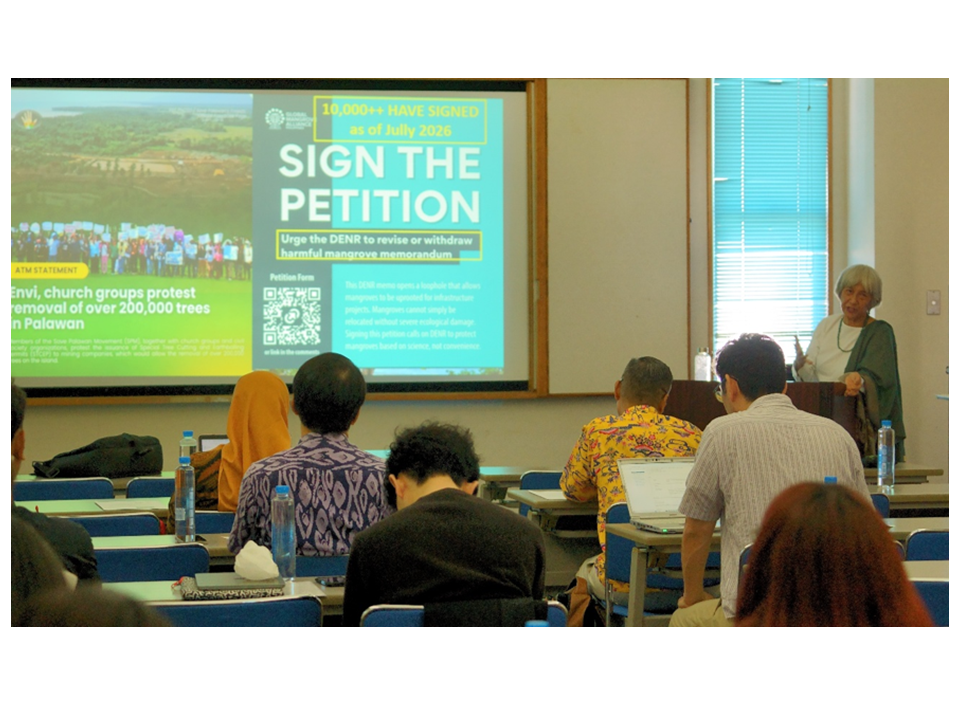
In the keynote address, Dr. Jurgenne H. Primavera of the Zoological Society of London drew on her extensive experience in the Philippines to emphasize the importance of science-based mangrove restoration (Figure 3). Presentations by researchers from the Philippines, Indonesia, and Malaysia shared lessons learned from restoration projects in their respective countries. Their experiences highlighted that successful restoration depends not simply on tree planting but also on restoring hydrological conditions, selecting appropriate species, conducting long-term monitoring, and collaborating closely with local communities. Representatives from private companies, including Sumitomo Forestry Co., Ltd. and Deep Forest Technologies Co., Ltd., also introduced emerging approaches that utilize blue carbon credits to support mangrove conservation.
With the expansion of carbon credit markets in recent years, expectations for private-sector investment in mangrove conservation have increased significantly. However, concerns have also been raised that approaches focused solely on carbon sequestration may overlook biodiversity conservation and benefits for local communities. Against this backdrop, participants discussed new forms of collaboration that can better connect science, practice, and policy based on the concept of Nature-based Solutions (NbS), which seek to simultaneously address climate change, biodiversity conservation, and community well-being.
Over the years, JIRCAS has collaborated with research institutions in Indonesia, the Philippines, Malaysia, and other countries to advance research on sustainable mangrove management, including blue carbon assessment, biodiversity conservation, and livelihood improvement for local communities. JIRCAS is currently preparing a new SATREPS project in Indonesia titled “Promoting NDC Targets through Innovative Mangrove Blue Carbon Management as a Nature-based Solution” (Project Leader: Renpei Suwa). The project aims to integrate climate change mitigation with sustainable community development through innovative mangrove blue carbon management. The knowledge and networks developed through MMM7 and the Mangrove Management Meeting are expected to provide an important foundation for advancing such international collaborative research initiatives.
The International Day of Mangroves reminds us that mangroves are far more than coastal forests. They are essential social-ecological systems that support climate resilience, biodiversity, food security, and sustainable development. MMM7 and the JIRCAS-organized Mangrove Management Meeting, held in Ishigaki, demonstrated the critical importance of international cooperation and knowledge sharing for the future of mangrove conservation. Continued collaboration grounded in scientific evidence will be crucial for advancing the conservation and sustainable use of mangrove ecosystems worldwide.
Contributor: Renpei Suwa (Forestry Division)
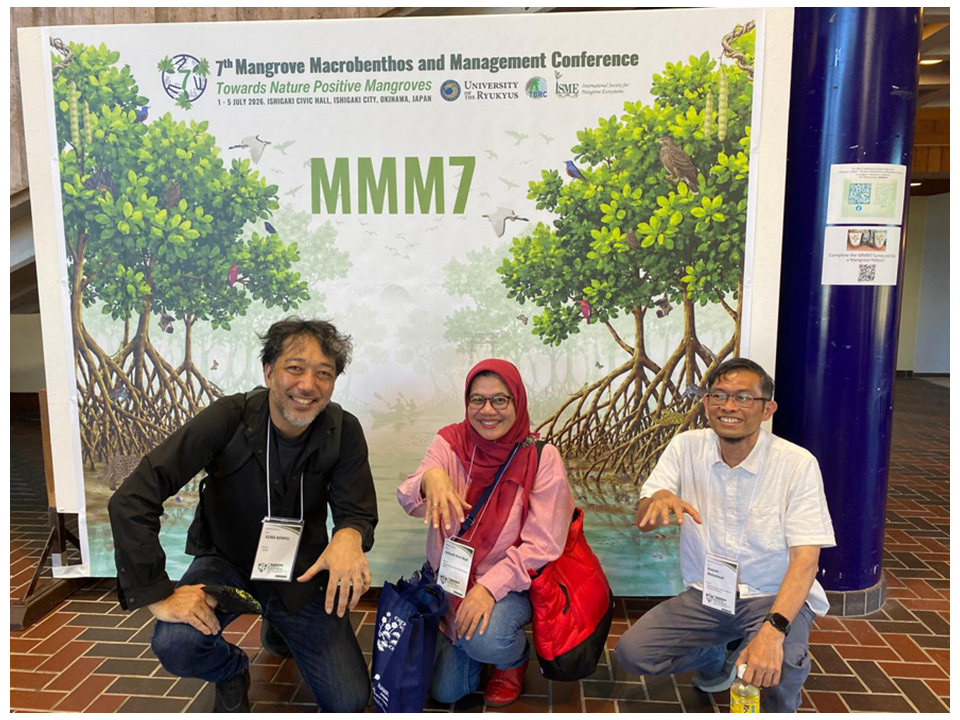
Figure 1. Participants pose for a commemorative photo at the MMM7 venue, making hand gestures representing mangroves.
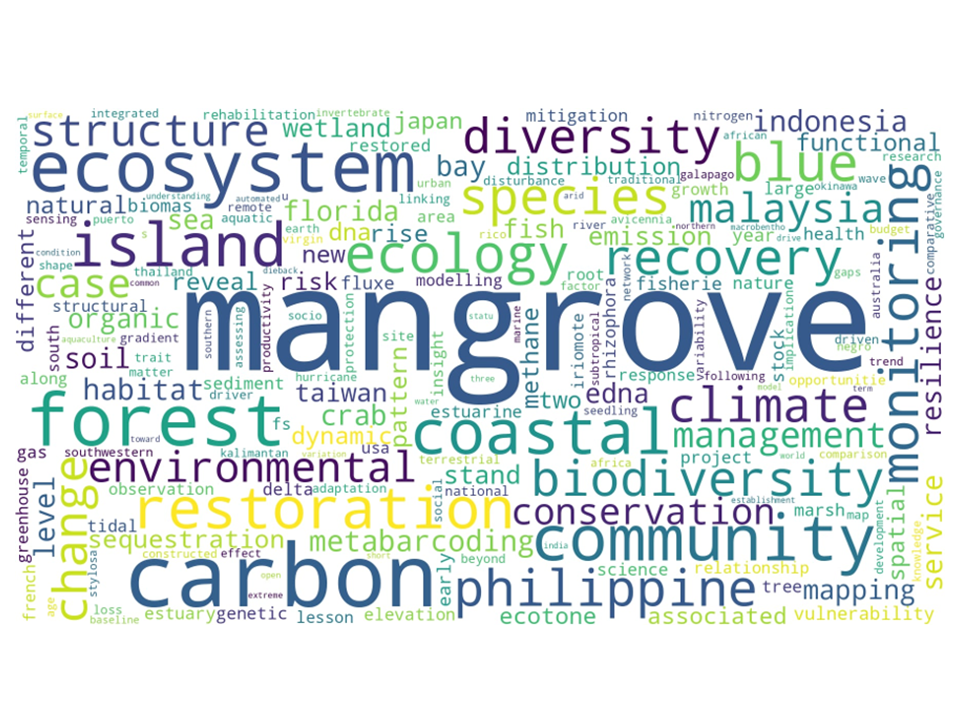
Figure 2. A word cloud image generated by AI