



Pick Up
1435. World Pulses Day 2026
Related Research Program
Information


1435. World Pulses Day 2026
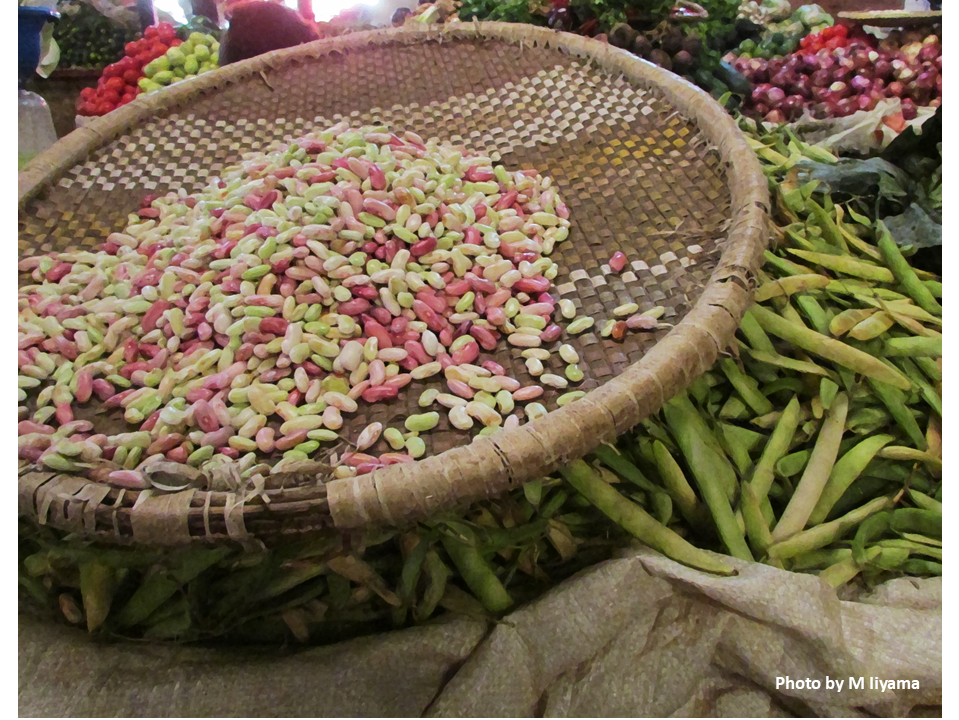
World Pulses Day is an opportunity to raise awareness of the important role pulses play in our diets, agri-food systems, and lives.
Pulses offer exceptional nutritional value and immeasurable environmental benefits. However, per capita consumption is declining in many countries, both developed and developing. Changing diets, shifting consumer preferences, and the persistent perception that pulses are a "humble" or traditional food in some contexts contribute to this decline. In many societies, especially urban areas, pulses are still associated with low-cost meals and rural cuisine.
The 2026 theme ("Pulses of the world: from modesty to excellence") aims to dispel these misconceptions and celebrate pulses for what they truly are. Pulses are a versatile food source, rich in nutrition and protein, fiber, vitamins, and minerals. From promoting human health to strengthening soil ecosystems, pulses should occupy a central place in modern, healthy, and sustainable diets.
Pulses in Numbers
- Trade in pulses is approximately 20 million tonnes per year.
- The first pulses cultivated were bitter vetch, chickpea, lentil, and pea.
- In 2024, the world produced 97 million tonnes of pulses.
- The average annual global pulse consumption is 7 kg per capita. Africa consumes the most (11 kg per capita) and Europe the least (3.53 kg per capita).
- Peas are the EU's most produced pulse (2.2 million tonnes in 2024).
- India is the world's largest pulses producer (25.3 million tonnes in 2024).
- Canada plans to devote 1.6 million hectares to lentil production by 2024.
- Brazil is South America's largest pulses producer (3 million tonnes in 2024).
- Nigeria is Africa's largest bean producer (4.3 million tonnes in 2024).
Contributor: IIYAMA Miyuki, Information Program