



Pick Up
1542. Climate Change and Urbanization Intensify Flood Risk Along the West African Coast: An Attribution Analysis of the Gulf of Guinea Floods
Related Research Program
Information
1542. Climate Change and Urbanization Intensify Flood Risk Along the West African Coast: An Attribution Analysis of the Gulf of Guinea Floods
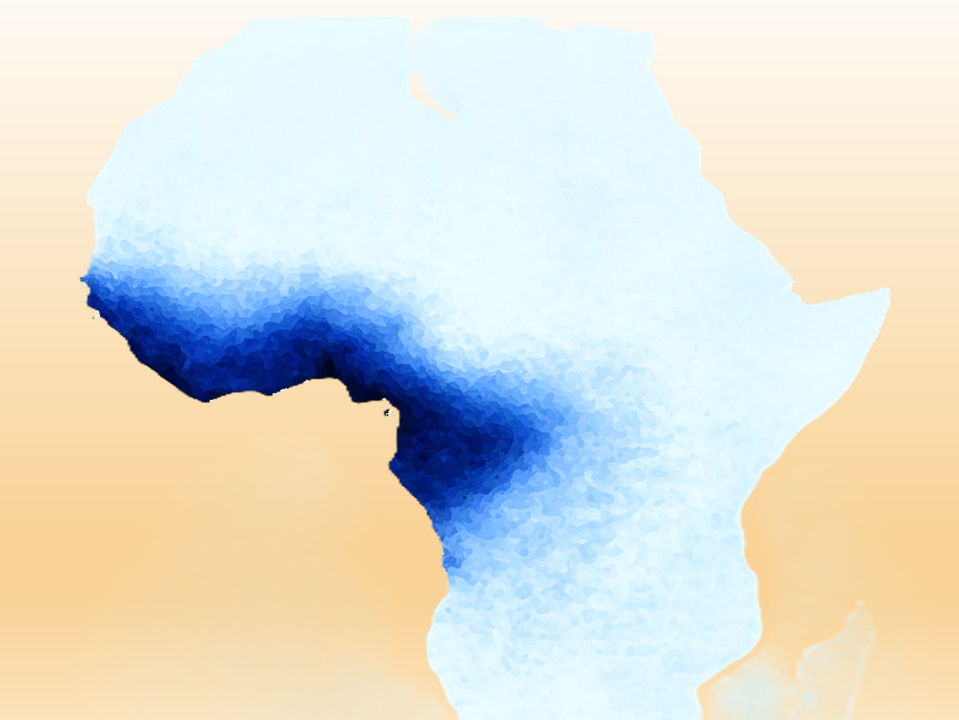
Between 20 and 22 June 2026, exceptionally heavy rainfall struck the Gulf of Guinea coast, including Côte d’Ivoire, Ghana, Togo, and Nigeria, triggering widespread and severe flooding across the region. In several locations, more than 140 mm of rain fell within 24 hours, overwhelming drainage systems and causing destructive flash floods.
The World Weather Attribution (WWA) initiative, which investigates the links between extreme weather events and climate change, conducted an attribution study of the event. The analysis found that the intensity of three-day rainfall events in the affected region has increased by approximately 23% since observations began. An event of this magnitude is estimated to be about five times more likely to occur today than it would have been in the pre-industrial climate. However, the study notes that uncertainties remain, as current climate models underestimate the observed increase in extreme rainfall.
The researchers emphasize that climate change is not the sole factor behind the escalating flood impacts. Rapid urbanization has also played a major role. Across densely populated coastal cities, the expansion of residential areas and farmland into floodplains, together with the loss of natural vegetation, has reduced natural drainage capacity. As a result, communities have become increasingly vulnerable to severe flooding during heavy rainfall events.
The study further highlights that sea-level rise along the Gulf of Guinea coast has exceeded the global average, compounding the effects of intensified rainfall and increasing flood risk. Looking ahead, climate models suggest that if global temperatures rise by approximately 2.8°C above pre-industrial levels, much heavier rainfall events are likely to become more frequent in the region.
WWA stresses that reducing future flood risks will require a broad range of adaptation measures. In addition to conventional infrastructure such as flood defenses and drainage systems, the study points to the importance of safer and more affordable housing, improved sanitation and drainage networks, stronger early warning systems, and greater community participation in disaster-risk planning.
Reference
World Weather Attribution (2026), Climate Change and Urban Pressures Intensify Flood Risk on the Gulf of Guinea Coast
https://www.worldweatherattribution.org/climate-change-and-urban-pressu…
Contributor: Miyuki Iiyama, Strategic Coordination Office