



Pick Up
1514. What Could a Super El Niño Mean for Water, Food, and Forests?
Related Research Program
Information
1514. What Could a Super El Niño Mean for Water, Food, and Forests?
The El Niño–Southern Oscillation (ENSO) is a naturally occurring climate phenomenon that develops every few years and influences rainfall and temperature patterns around the globe. In 2026, there is growing concern that El Niño conditions could intensify into a “Super El Niño,” characterized by sea surface temperatures in the tropical Pacific exceeding average levels by more than 2°C. According to WRI, such strong El Niño events can generate more pronounced climate impacts than typical events.
The World Resources Institute (WRI) recently examined expert views on how a potential Super El Niño could affect water resources, food production, and forests. Because Super El Niño events involve stronger ocean-atmosphere interactions, they can increase the likelihood and severity of extreme weather events, including droughts, floods, heatwaves, and wildfires. Scientists also note that these impacts may be amplified in an increasingly warmer climate.
With regard to water resources, both drought and flood risks are expected to increase, depending on the region. Reduced rainfall is anticipated in parts of the Caribbean, Central America, northern Brazil, India, southern Africa, Indonesia, the Philippines, and Australia. Conversely, wetter-than-average conditions may occur in the southern United States, Peru, Ecuador, East Africa, and parts of the Middle East. If a Super El Niño develops, these regional climate anomalies could become even more pronounced.
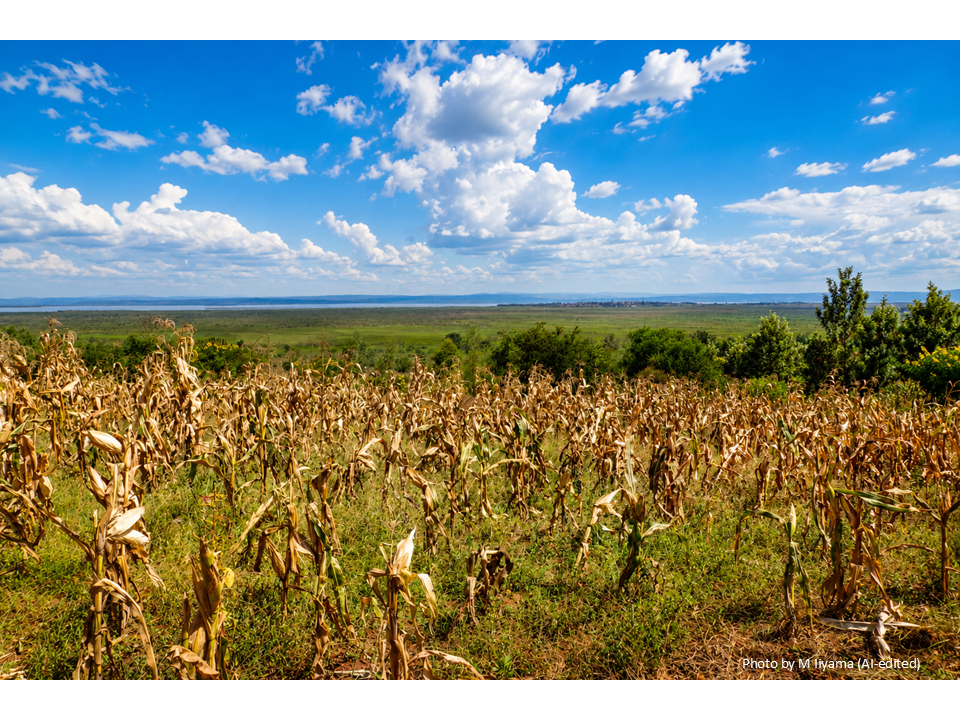
WRI emphasizes that impacts on food production will vary considerably across regions. During previous El Niño events, some areas of southern Africa experienced declines in cereal production due to hot and dry conditions. However, the magnitude of impacts depends on many factors, including rainfall patterns, planting schedules, soil conditions, and market circumstances. Experts also point out that this El Niño could occur during the warmest period in recorded history, potentially increasing heat stress on crops and livestock.
Forests may also be affected. El Niño is known to increase wildfire risks in regions that experience hotter and drier conditions. In the Amazon, for example, some of the most severe wildfire seasons have coincided with strong El Niño events. WRI notes that wildfire risks may increase in parts of South America, Southeast Asia, and Australia during late 2026 and into 2027. At the same time, it stresses that forest fires are influenced not only by climate conditions but also by human activities such as deforestation and land-use change.
Although the impacts of El Niño cannot be prevented entirely, WRI highlights the value of early warning systems and preparedness measures. Investments in irrigation infrastructure, flood protection, and drought-tolerant crop varieties can help reduce vulnerability and strengthen resilience. Better use of climate forecasts can support more effective planning and adaptation.
(Reference)
Sarah Parsons. How Might a ‘Super El Niño’ Affect Food, Forests and Water? World Resources Institute (WRI), 3 June 2026.
https://www.wri.org/insights/super-el-nino-impacts-explained
Contributor: IIYAMA Miyuki, Strategic Coordination Office