



Pick Up
1475. From JIRCAS Southeast Asia Liaison Office: Traditional Thai fermented foods
1475. A parade of fermented foods
Just like in Japan, Thailand has a long history of producing a variety of fermented foods. These foods are an important food resource for the local people, as fermentation not only extends the shelf life of food but also adds flavors and textures that are not present in the raw ingredients. The fermentation process can be considered both a food preservation technique and a sophisticated processing technique.
Here, I'd like to introduce some of Thailand's representative fermented foods.
Thai fermented Thai foods
|
Thai |
English |
Explanation |
|
น้ำปลา |
Nam Pla |
fish sauce |
|
กะปิ |
Kapì |
Fermented shrimp paste |
|
ปูเค็ม |
Pu Khem |
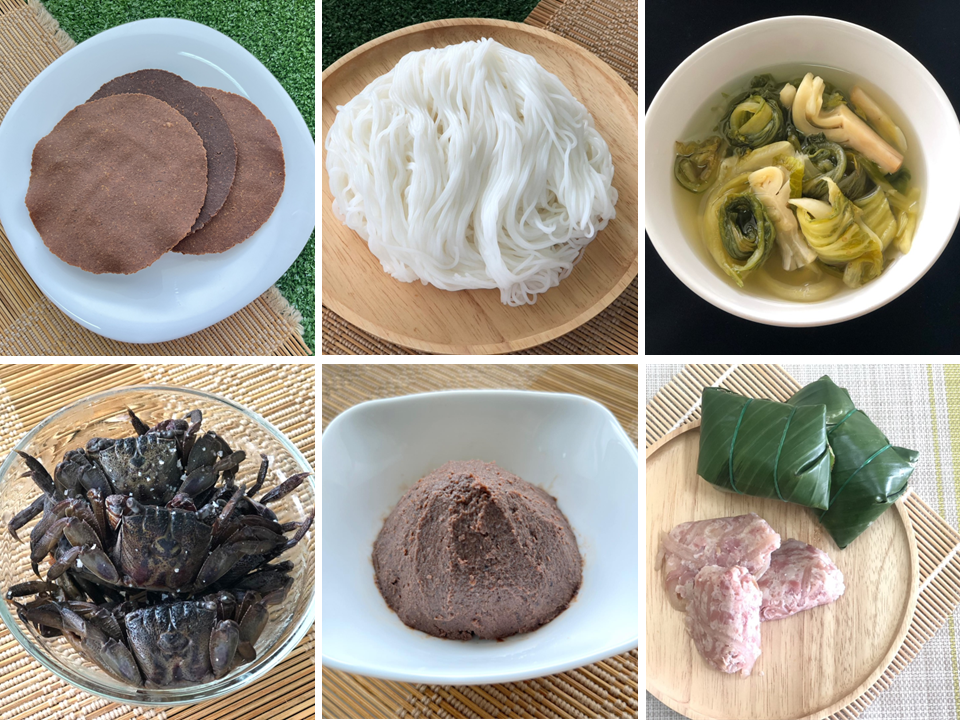
Fermented river crabs |
|
แหนม |
Naem |
Fermented pork sausage |
|
ถั่วเน่า |
Thua Nao |
Soybeans are fermented, flattened into a cracker shape, and dried, or wrapped in banana leaves. |
|
ขนมจีน |
Khanom Jeen |
Noodles made from fermented rice |
|
ข้าวหมาก |
Khao Mak |
Amazake, a sweet rice drink, enjoyed as a dessert. |
|
สาโท |
Sato |
A brewed alcoholic beverage made from rice. |
|
ผักกาดดอง |
Pak Kad Dong |
Pickled mustard greens (a variety of mustard greens) |
Thailand has long embraced the cultures of China, India, and other surrounding regions, and its fermented foods reflect the unique characteristics of each country. These cultural influences have also spread to Japan, and many fermented foods made in Thailand share ingredients and production methods with those made in Japan.
Fermented Food Database
The methods for producing fermented foods were developed by people in the past based on experience and intuition, and there are still many things that modern science does not understand. By studying traditional fermented foods, we can uncover the microorganisms involved in fermentation, the components related to taste and health maintenance, and there is a great possibility that this will lead to useful discoveries that were previously unknown.
In 2011, JIRCAS launched a research project titled "Advanced Application of Local Food Resources in Asia. " In collaboration with research institutes in various Asian countries, we conducted research on indigenous agriculture, forestry, fishery, and livestock products, as well as traditional processed foods, that exist in each region. Furthermore, we established a "research network" to share information on regional food resources with individuals from various fields in each country, including our partner research institutions, and to conduct joint research and development, compiling our research findings into a comprehensive report.
Within this database, the Thai Fermented Foods Database, based on data compiled by the Institute of Food Research and Product Development (IFRPD) at Kasetsart University in Thailand, classifies various Thai fermented foods by their raw materials, such as seafood, livestock products, fruits, vegetables, rice, and soybeans, and provides explanations, photographs, and instructions on how to make them.
Using this database as a reference, we will explain various fermented foods included in Thai food culture.
Reference:
Japan International Research Center for Agricultural Sciences: Database of Fermented Foods of Thailand
https://www.jircas.go.jp/en/database/thaifermented
Contributor: KANAMORI Norihito, Southeast Asia Liaison Office