



Pick Up
1454. One Health Approach for Pandemic Prevention, Preparedness, and Response
Related Research Program
Information
1454. One Health Approach for Pandemic Prevention, Preparedness, and Response
Six years ago, the World Health Organization (WHO) declared the outbreak of the novel coronavirus disease (later known as COVID-19) a Public Health Emergency of International Concern (PHEIC), sounding the strongest global alarm permitted under international law at the time. While the PHEIC was declared over in May 2023, the impact of COVID-19 remains etched in our memories. Marking the six-year milestone, WHO stated that a pandemic is a global threat, and that global solidarity is the best immunity, calling for strengthened pandemic preparedness, prevention, and response.
COVID-19 is an example of a zoonotic disease, a disease caused by the transmission of pathogens from animals to humans (i.e., spillover). It is believed to occur most frequently where agricultural food systems interface with natural ecosystems—where humans, livestock, and wild animals interact. Throughout humanity's long history of animal husbandry and consumption, hygiene practices have evolved, reducing the likelihood of spillover (e.g., through food safety, clean water, and rodent control in shelters). However, increased mobility, population density, and urbanization, alongside the expansion of the global food supply chain and pressure on natural ecosystems due to land-use change, are creating new challenges.
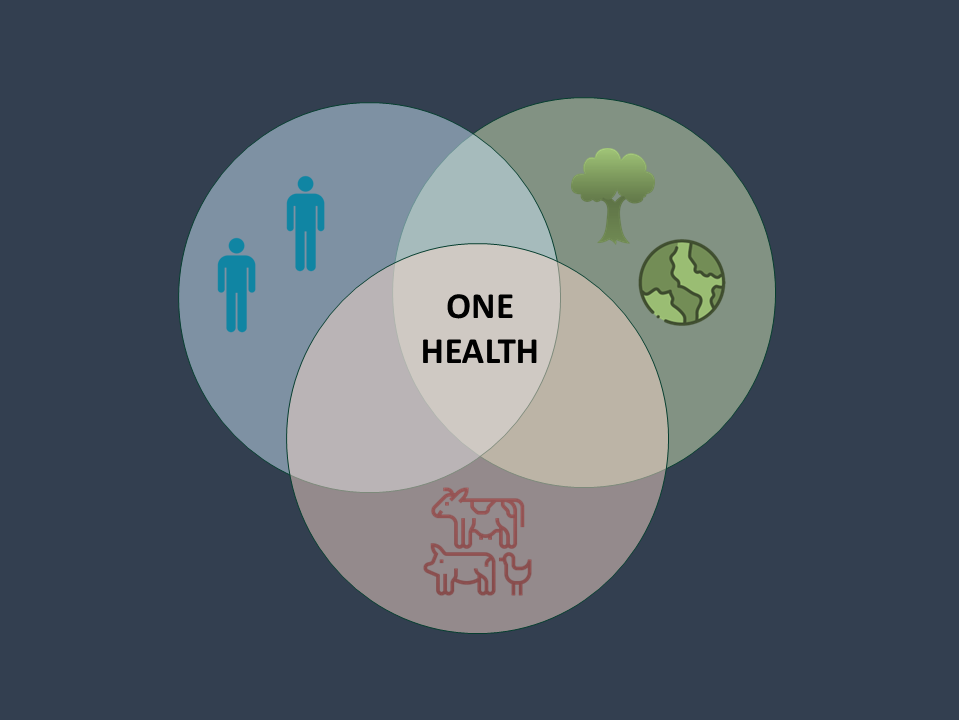
The connections between food systems and the health of the environment, animals, plants, and humans are becoming more closely linked through global, regional, and national-level efforts. It has been pointed out that food system resilience and better health can be achieved by consumers, producers, and governments joining forces and adopting a global One Health approach.
The WHO Pandemic Agreement, adopted in May 2025, is the first international treaty to formally integrate a One Health approach in pandemic prevention, preparedness, and response. The agreement recognizes the interconnectedness of human, animal, and environmental health and commits countries to develop coordinated policies and strategies to address pandemic drivers at the human-animal-environment interface.
(Reference)
Gebbiena M. Bron, J. Joukje Siebenga, Louise O. Fresco (2021) In the age of pandemics, connecting food systems and health: a Global One Health approach. Food Systems Summit Brief prepared by Research Partners of the Scientific Group for the Food Systems Summit, February 15, 2021.
Contributor: IIYAMA Miyuki, Information Program