



Pick Up
1421. UN Agreement on Biodiversity in the High Seas and Related Areas Enters into Force
Related Research Program
Information
1421. UN Agreement on Biodiversity in the High Seas and Related Areas Enters into Force
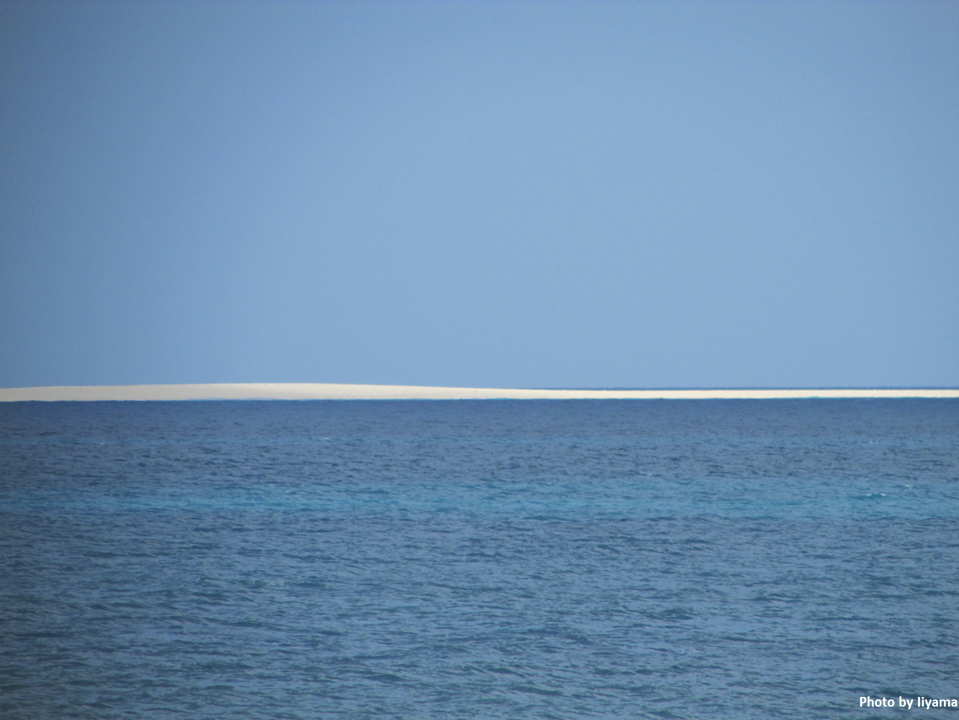
Approximately two-thirds of the ocean lies beyond the jurisdiction of any single nation. These vast areas, known as the "high seas," are crucial to the health of the planet. Not only do the high seas support global fisheries and food security, but they also contain a treasure trove of precious natural resources that countries and companies are increasingly exploring and utilizing. The high seas are also home to a diverse range of marine life, from microscopic plankton to gigantic blue whales. Marine genetic materials are increasingly sought after to support pharmaceuticals, biotechnology, and other innovations.
Until now, no comprehensive framework had existed to protect the high seas, Earth's largest public space, covering approximately half of its surface. Instead, they have been managed through a patchwork of regional fisheries agreements, maritime treaties, and scattered marine protected areas, covering less than 1% of the high seas. This has left serious gaps in protecting marine biodiversity and ensuring that developing countries can benefit from discoveries in international waters.
After nearly 20 years of discussion, the International Agreement was ratified in September 2025 and officially came into force on January 17, 2026. The entry into force of the Biodiversity Beyond National Jurisdiction (BBNJ) Agreement, officially titled the Agreement on the Conservation and Sustainable Use of Marine Biological Diversity in Areas Not Under the Jurisdiction of Any State Under the United Nations Convention on the Law of the Sea, is expected to fill a regulatory gap, complement national efforts, enable coordinated conservation measures in the high seas, and advance efforts to ensure the health of marine ecosystems for decades to come.
The Agreement aims to ensure that the "high seas" and the international seabed are managed sustainably for the benefit of all humanity.
It is also the first legally binding ocean agreement to provide for inclusive ocean governance, including provisions for the participation of indigenous peoples and local communities, as well as gender balance.
Once fully implemented, the Agreement is expected to make an important contribution to addressing the so-called "global triple crises" of climate change, biodiversity loss, and pollution.
The Agreement is essential for achieving international climate change and biodiversity goals. As of January 15, it has been ratified by 83 countries and is expected to guide regional cooperation while seamlessly integrating with national sustainable ocean plans.
Contributor: IIYAMA Miyuki, Information Program