



Pick Up
1482. Drivers of Methane Growth from 2019 to 2024
Related Research Program
Information
1482. Drivers of Methane Growth from 2019 to 2024
Methane (CH₄) is a highly potent greenhouse gas, with approximately 80 times the global warming potential of carbon dioxide when evaluated over a 20-year time horizon. The Global Methane Pledge, joined by more than 150 countries, aims to reduce anthropogenic methane emissions by 30% by 2030 relative to 2020 levels.
Nevertheless, atmospheric methane concentrations resumed an upward trend during 2007–2019 after a period of stabilization, surged sharply in 2020 and 2021, and maintained a high growth rate through 2024. It has remained unclear whether these changes are driven primarily by shifts in emission sources or by changes in atmospheric removal processes. The dominant natural source of methane is wetlands, while major anthropogenic sources include livestock, oil and gas facilities, landfills, coal mining, rice cultivation, and wastewater treatment. Approximately 90% of atmospheric methane is removed through oxidation by hydroxyl (OH) radicals in the troposphere, with smaller contributions from oxidation by chlorine radicals, oxidation in the stratosphere, and uptake by soils.
From 2019 to 2024, atmospheric CH₄ concentrations increased at an average annual rate of approximately 0.7%. A study in Science Advances analyzed the causes of this increase using integrated satellite observation data.
The analysis showed that the rise in CH₄ concentrations during this period resulted from the combined effect of three factors. The largest contribution, accounting for about 59% of the increase, was a gradual relaxation toward steady state based on the balance between emissions and sinks under 2019 conditions. In addition, increases in CH₄ emissions contributed approximately 25%, while a decline in the concentration of tropospheric OH radicals, which are responsible for methane removal, contributed about 16%.
Global CH₄ emissions totaled 571 teragrams (Tg) per year in 2019, increased to 601 Tg per year in 2021, and then declined to around 575 Tg per year by 2024. The peak in CH₄ growth in 2021 was driven mainly by rising emissions. In contrast, tropospheric OH concentrations decreased by about 2% between 2019 and 2022 and then recovered toward 2024. This recovery in OH levels played a major role in the slowdown of CH₄ growth after 2022.
By emission sector, emissions from the oil and gas sector and from rice cultivation decreased between 2019 and 2024, whereas emissions from livestock and waste management increased. As a result, reductions in some sectors were offset by increases in others, and no large net decrease in global CH₄ emissions was achieved.
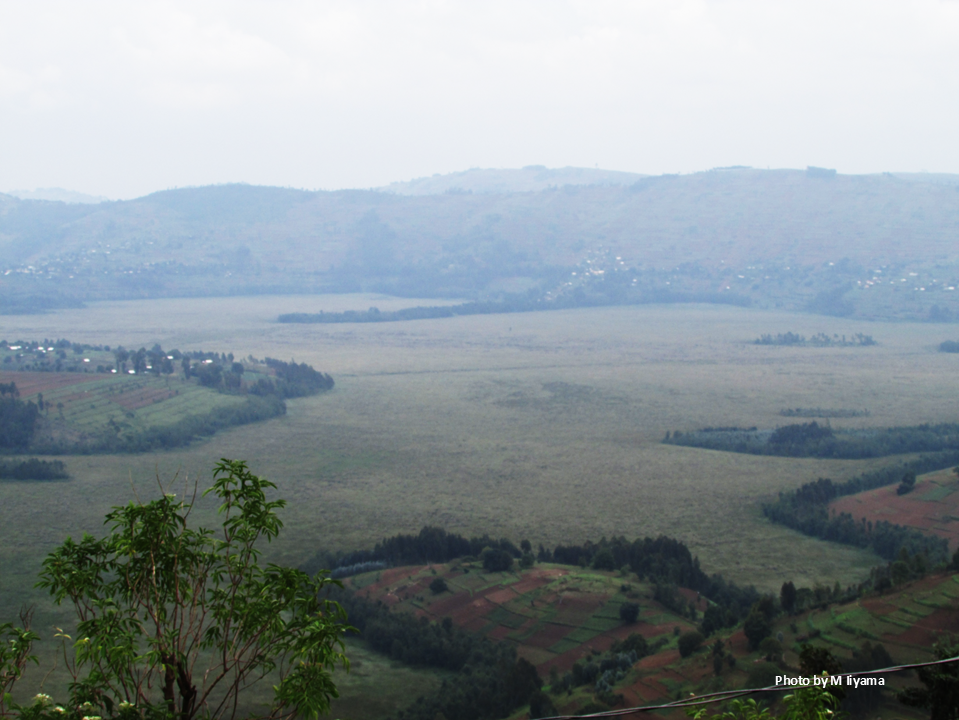
Regionally, East Africa showed the largest increase in CH₄ emissions, followed by South America and Europe. In East Africa, increases in emissions from wetlands and livestock were indicated. In contrast, no significant emission trends were observed in the United States or Canada during this period.
This study demonstrates that recent CH₄ growth is driven by a combination of factors, including not only changes in emissions but also variations in atmospheric CH₄ removal processes.
Reference
He, M. et al. (2026). Attributing 2019–2024 methane growth using TROPOMI satellite observations. Science Advances, 10 April 2026, Vol. 12, Issue 15.
Contributor: IIYAMA Miyuki, Strategic Coordination Office