



Pick Up
1424. International Day of Clean Energy
Related Research Program
Information
1424. International Day of Clean Energy
The International Day of Clean Energy provides an opportunity to raise awareness and inspire action toward a just and inclusive transition to clean energy. It was established on January 26, 2009 to coincide with the founding anniversary of the International Renewable Energy Agency (IRENA).
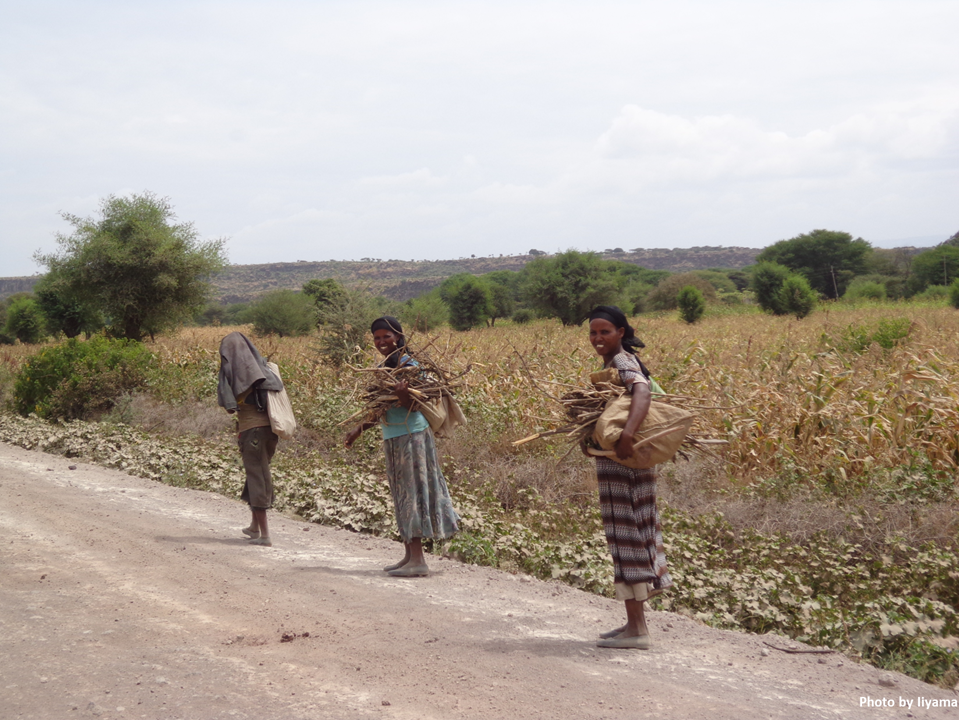
In a world grappling with climate change, clean energy not only plays an essential role in reducing emissions but also benefits communities without access to a reliable power source. Even today, around 666 million people live without electricity, more than 85% of whom live in sub-Saharan Africa. The link between clean energy, socioeconomic development, and environmental sustainability is crucial for vulnerable communities around the world. A lack of access to clean energy impedes education, healthcare, and economic opportunities. Many of these developing regions still rely heavily on polluting fuels in their daily lives, perpetuating poverty. In rural areas, unhealthy and inefficient cooking methods, such as burning wood and animal dung, remain common.
On the bright side, remarkable progress has been made in the transition to clean energy. Installed renewable energy capacity per capita continues to increase annually, reaching a record high of 341 watts in developing countries, up from 155 watts in 2015. While this situation is gradually improving, we are still only halfway to achieving Sustainable Development Goal 7 (SDG 7), which aims to ensure access to affordable, reliable, sustainable, and modern energy for all by 2030.
Energy is essential for food security and development, and it is also important to decouple fossil fuel use from the transformation of agri-food systems without compromising food security. One proposed solution is the bioeconomy, which harnesses the power of bioscience and biotechnology to provide food, feed, wood products, furniture, paper, bio-based fibers, biochemicals, bioplastics, biopharmaceuticals, and bioenergy while reducing demand for natural resources and contributing to climate change mitigation and biodiversity conservation.
Contributor: IIYAMA Miyuki, Information Program