



Pick Up
1411. Extreme Weather in 2025
Related Research Program
Information
1411. Extreme Weather in 2025
At the end of 2025, the World Weather Attribution (WWA) team, which analyzes the causal relationship between extreme weather events and climate change, published a report looking back at 2025 and sounding the alarm about the growing risk of extreme weather events taking many lives, destroying local communities, and having a devastating impact on agricultural production in a warming world. Here is a summary of the report.
While natural phenomena such as El Niño contributed to a cooler climate in 2025 compared to the previous year, anthropogenic greenhouse gas emissions increased global temperatures, intensified prolonged heatwaves, exacerbated droughts and fires, and increased extreme rainfall and strong winds associated with storms and floods, resulting in thousands of deaths and millions of people displaced. The events of 2025 demonstrate the increased risk of extreme weather even at approximately 1.3°C of anthropogenic warming, underscoring the urgent need to accelerate the transition away from fossil fuels.
Since the Paris Agreement was signed in 2015, global warming has increased by 0.3°C. While this may seem like a small increase, it has already significantly increased the frequency of extreme heat events, adding an average of 11 additional days of extreme heat per year. Further warming is projected to dramatically increase this frequency. If countries' climate change mitigation policies were fully implemented, it would be possible to limit temperature increases from 4°C to 2.6°C. However, a dangerously hot world is still predicted. The WWA team reexamined several recent heatwave events, including those in the Amazon and Burkina Faso and Mali, and found that these events have become nearly ten times more likely since 2015, highlighting the significant impact of even a 1°C difference.
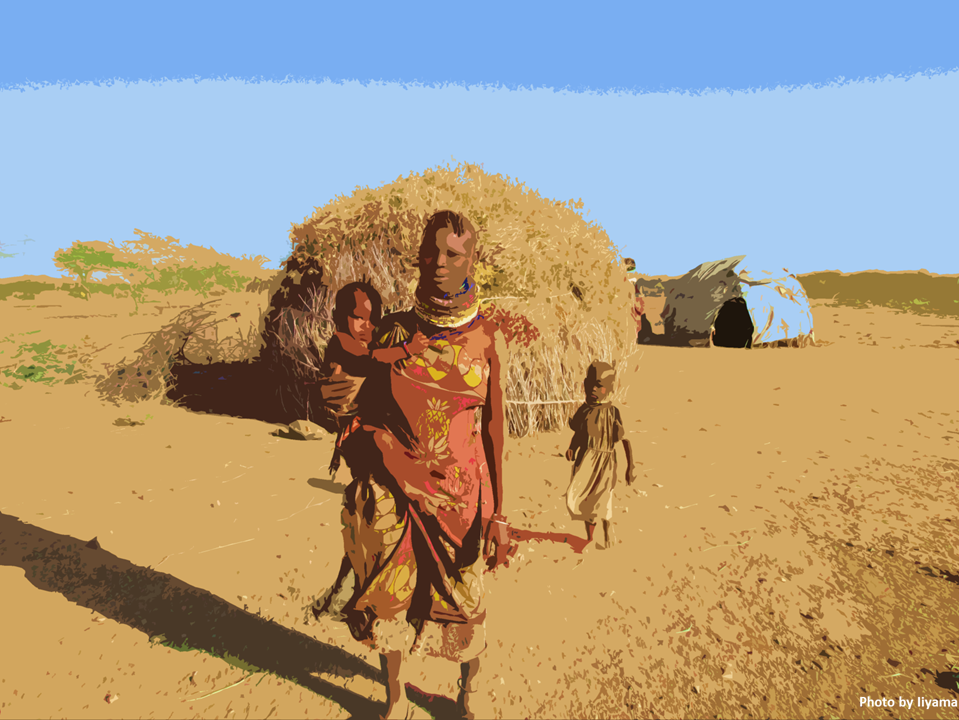
The impacts of the 2025 extreme events are driven by region-specific vulnerabilities, but similar patterns are observed around the world. For example, analysis of South Sudan showed that women are disproportionately affected by extreme heat due to their concentration in informal sector work, such as agriculture and street vending, which exposes them to heat, as well as limited resources and low literacy rates. Globally, women bear an unequal burden due to socioeconomic conditions that increase their exposure to dangerously high temperatures and the associated long-term health risks. 2025 once again highlighted how unequal the impacts of human-induced climate change are, and how already marginalized members of society are always hit hardest.
Furthermore, while many studies conducted in 2025 focused on heavy rainfall events in the Southern Hemisphere, a lack of observational data and a reliance on climate models primarily developed for the Northern Hemisphere often prevented confident conclusions. The fragile climate research infrastructure in the Global South reflects the injustice of the climate crisis.
The events of 2025 clearly demonstrate the imperative to invest in adaptation measures. Many deaths and other impacts could have been prevented with timely action. However, events like Hurricane Melissa highlight the limits of preparedness and adaptation. When severe storms hit small islands like those in the Caribbean, even a relatively high level of preparedness cannot prevent enormous losses and damage. This demonstrates that rapid emissions reductions remain essential to avert the worst impacts of climate change.
(Reference)
Otto, F. et al., (2025): Unequal evidence and impacts, limits to adaptation: Extreme Weather in 2025 (WWA Scientific Report No. 79) World Weather Attribution DOI: https://doi.org/10.25560/126543
Contributor: IIYAMA Miyuki, Information Program