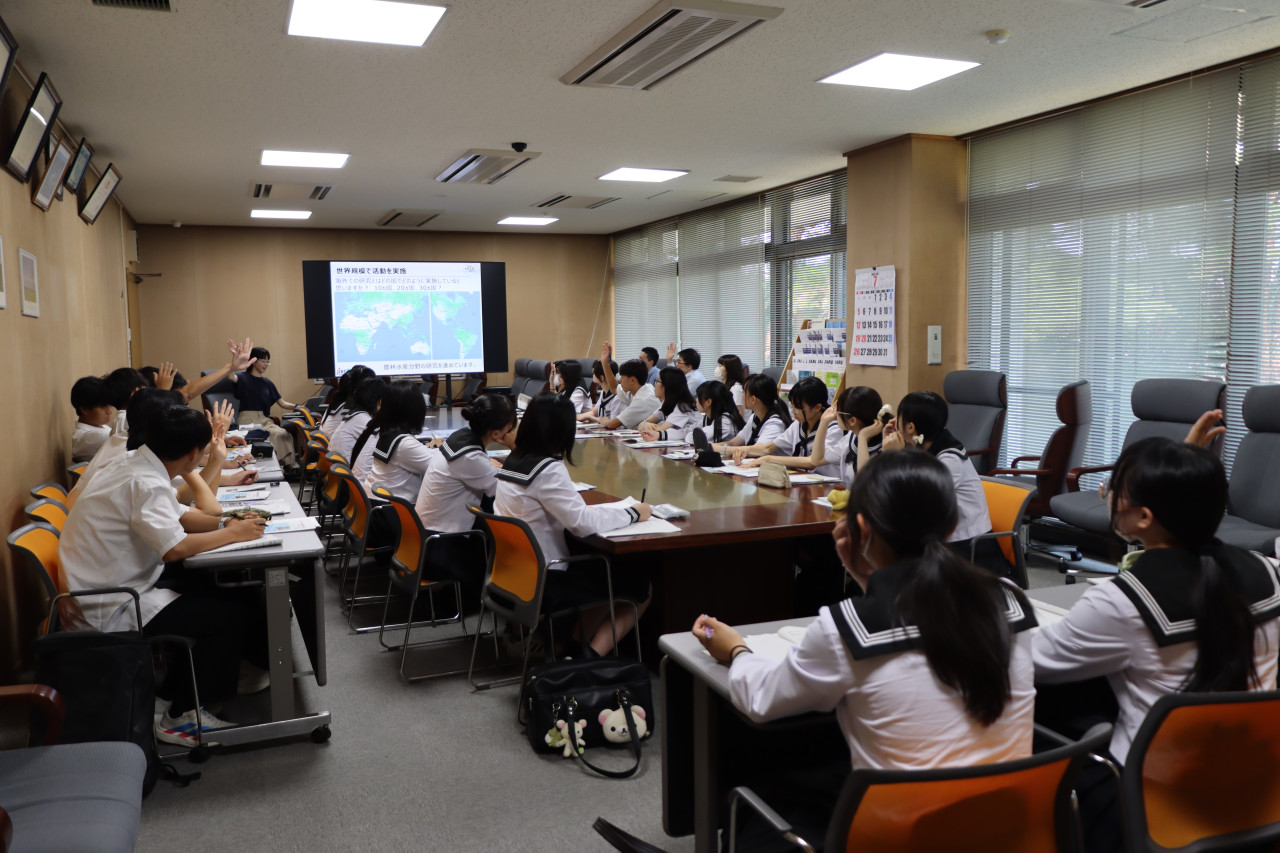
On Wednesday, July 22, 2026, the Japan International Research Center for Agricultural Sciences (JIRCAS) welcomed 40 second-year students from Mie Prefectural Matsusaka High School for the 30th session of the Future Science Talent Academy.
In the first half of the session, staff from the Partnership and Exchange Section introduced JIRCAS's research activities and international collaborative research initiatives, particularly projects conducted in collaboration with research institutions in Asia, Africa, and other regions. They also explained why agricultural research must be conducted in an international context to address food security challenges and achieve sustainable agricultural production. Through the lecture, the students gained a deeper understanding of the role of research in solving global-scale issues.
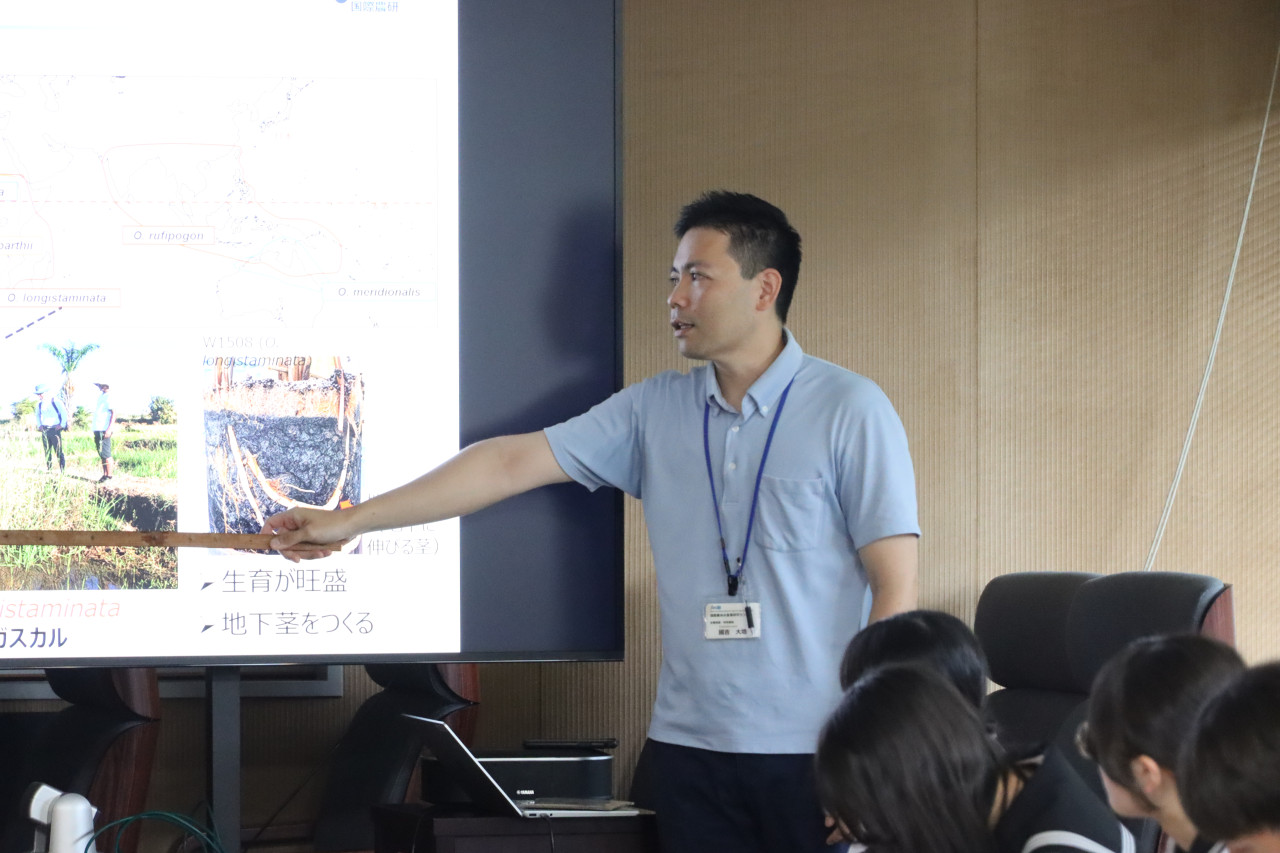
In the second half, Dr. KUNIYOSHI Daichi (Senior Researcher, Biological Resources and Post-harvest Division) delivered a lecture on rice breeding research using wild rice species. He explained that wild relatives of today's cultivated crops still exist in nature and that wild rice species are distributed across a wide geographical range, including Asia, Africa, South America, and Australia. Many of these wild species are adapted to harsher environmental conditions than cultivated varieties. By introducing their beneficial genes into cultivated rice, researchers can develop new varieties with improved resistance to environmental stresses such as pests and diseases, drought, and high temperatures.
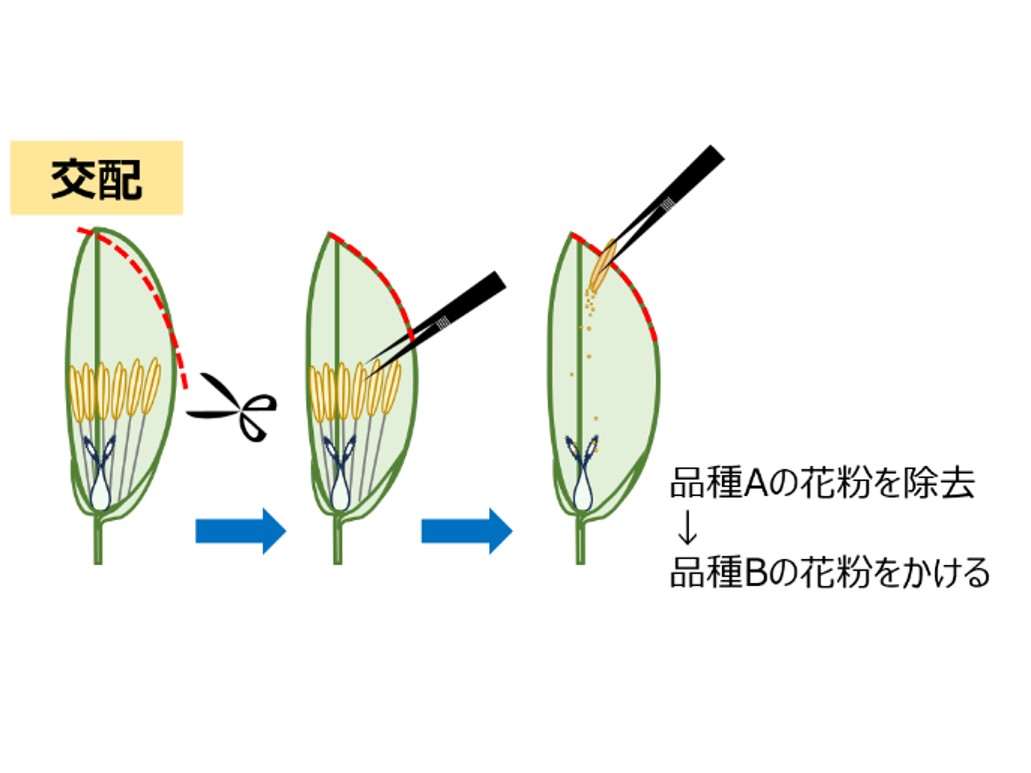
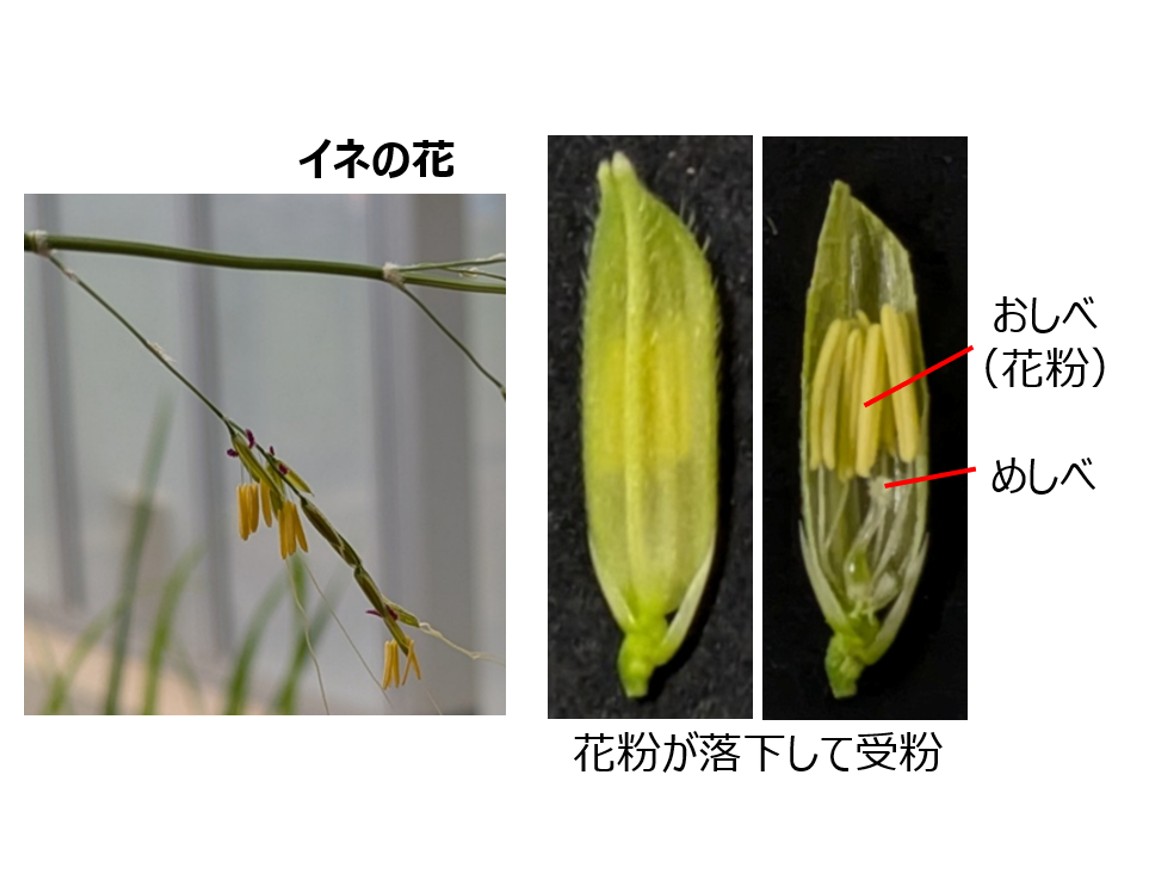
The lecture also highlighted research on hybridization between African rice and Asian rice. Using illustrations and photographs, Dr. Kuniyoshi explained the breeding process and the techniques used to create these crosses. The presentation provided students with insight into the technologies and research processes employed in actual breeding programs, making it especially engaging for those interested in pursuing studies or careers in science and research.
Dr. Kuniyoshi also spoke about what inspired him to pursue a career in agricultural research and shared his experiences on the path to becoming a researcher. For students approaching important decisions about their future education, he offered practical advice on selecting universities and academic fields, emphasizing the importance of following one’s interests and intellectual curiosity.
In addition, he discussed life as a researcher at the Tropical Agriculture Research Front, shared his experiences from overseas fieldwork, and spoke about his personal hobbies. Through numerous photographs, he also presented the diverse food cultures and everyday meals found in various African countries. This gave students an opportunity to deepen their interest not only in scientific research but also in international cooperation and cross-cultural understanding.
Through this lecture, the students gained a deeper appreciation of the potential and social significance of scientific research, as well as the importance of international collaboration. JIRCAS will continue to provide opportunities for students to experience research firsthand and foster greater interest in science and technology as part of its efforts to nurture the next generation of scientists.
JIRCAS provides junior high school and high school students with opportunities to learn about cutting-edge research and scientific thinking. For more information about the Future Science Talent Academy and related inquiries, please visit the program information page.