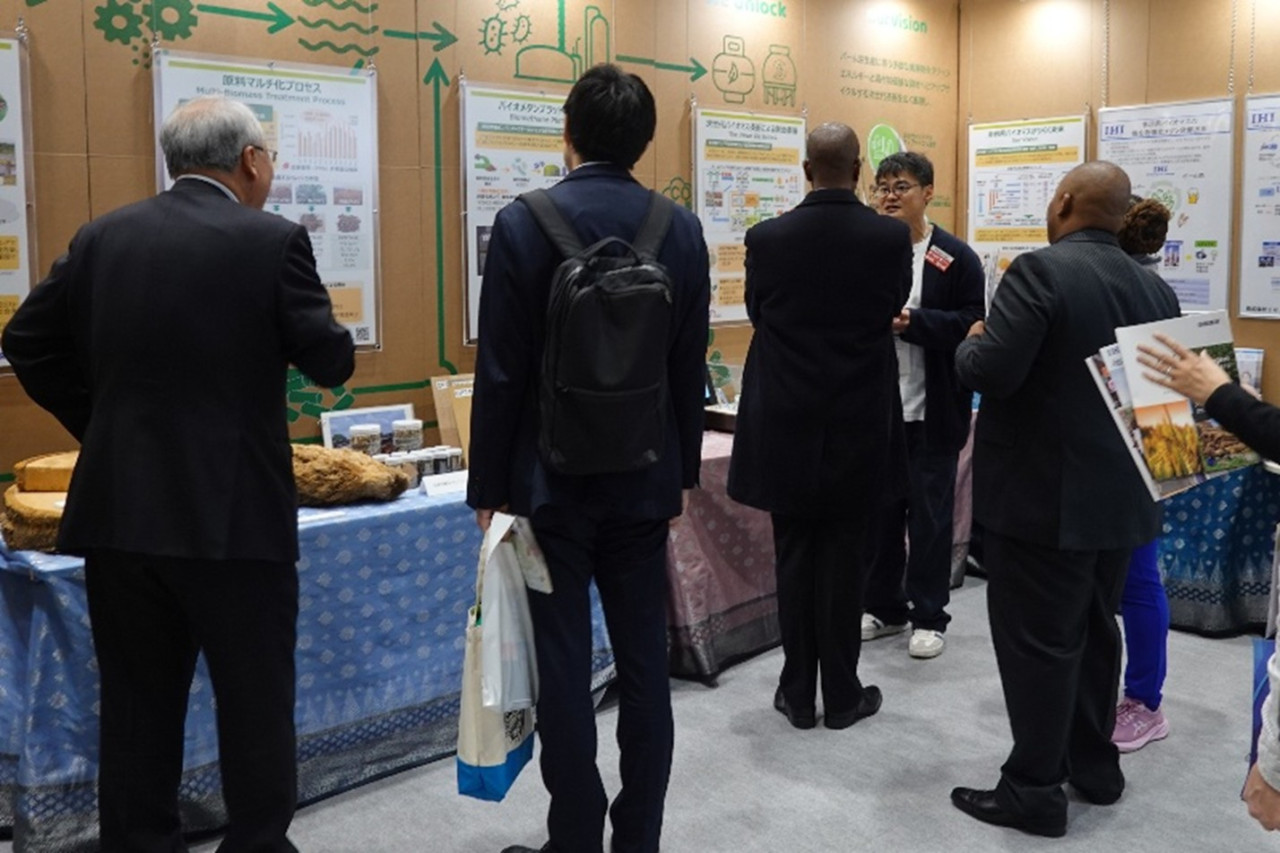



At the Biomass Expo / 11th [International] Biomass Exhibition, held as part of “Smart Energy Week” at Tokyo Big Sight from March 17 (Tue) to 19 (Thu), 2026, the Japan International Research Center for Agricultural Sciences (JIRCAS) introduced its “Next-Generation Biomass Upcycling Technology,” which enables the advanced utilization of unused biomass resources.
This exhibition is one of the largest in Japan, bringing together a wide range of biomass-related products and technologies, including biomass fuels, power generation systems, methane fermentation equipment, and heat utilization technologies. In addition to the Biomass Expo, exhibitions on solar, wind power, hydrogen, and more were held as part of Smart Energy Week. In total, 1,494 companies exhibited, and 63,274 visitors attended over the three days.
Smart Energy Week: [Official] BIOMASS EXPO Exhibition Overview
The “Next-Generation Biomass Upcycling Technology” is based on JIRCAS’s previously developed technologies, including “multi-feedstock processing technology” and “microbial saccharification technology.” It enables the conversion of unused biomass into sustainable resources.
At this exhibition, JIRCAS primarily showcased the “NexGen Biomass Project,” which aims to implement next-generation technologies that utilize large volumes of unused biomass generated by the oil palm industry to produce energy and materials. The booth also presented the latest efforts to apply these technologies to various unused biomass resources both in Japan and overseas, in collaboration with Japanese companies such as IHI, which co-presented poster exhibits.
These initiatives toward the social implementation of next-generation biomass upcycling technology were selected as one of the Top 3 featured products at the exhibition. As a result, the JIRCAS booth attracted many visitors, with more than 700 people stopping by over the three days.
At the booth, the technologies were presented visually and clearly using poster panels, plant models, and samples such as fuel pellets produced through the process. Actual samples of unused biomass—such as oil palm trunks and empty fruit bunches—were also displayed, helping visitors better understand environmental issues caused by biomass waste in oil palm production areas.
Visitors from companies, local governments, and research institutions showed strong interest, asking many questions about technical details and the status of real-world implementation. In addition, representatives from companies with related biomass technologies expressed concrete interest, such as wanting to learn more about implementation processes or explore joint demonstration projects. Immediately after the exhibition, JIRCAS received multiple inquiries, including specific consultations regarding technology adoption. This exhibition provided a highly valuable opportunity to widely communicate JIRCAS’s technologies and their potential to stakeholders both in Japan and internationally.
JIRCAS will continue to promote research, development, and social implementation of next-generation biomass upcycling technologies to help realize a decarbonized, circular society through the effective utilization of unused biomass.
Further details about the exhibition and technologies can be found below:
・JIRCAS – Exhibitor Details
・International Expansion of Next-Generation Biomass Upcycling Technology (In Japanese)
・Establishment of a Venture Utilizing Multi-Feedstock Processing (Press Release, Nov 9, 2022)
・IHI × JIRCAS “Microbial Saccharification Methane Fermentation Technology” (YouTube) (In Japanese)
・Secrets of Upcycling Wasted Materials in Monsoon Asia (YouTube)
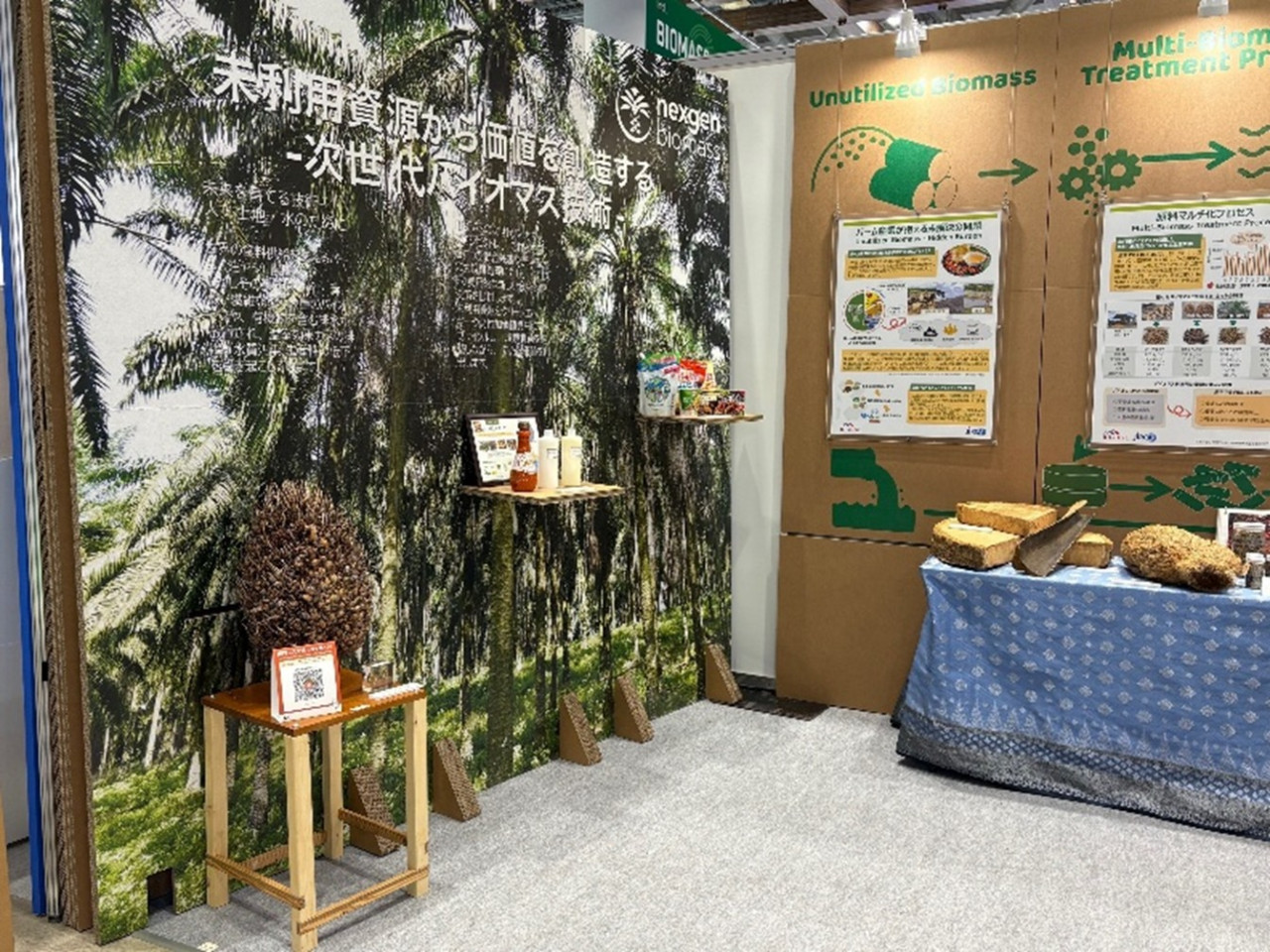
Exhibition using real samples
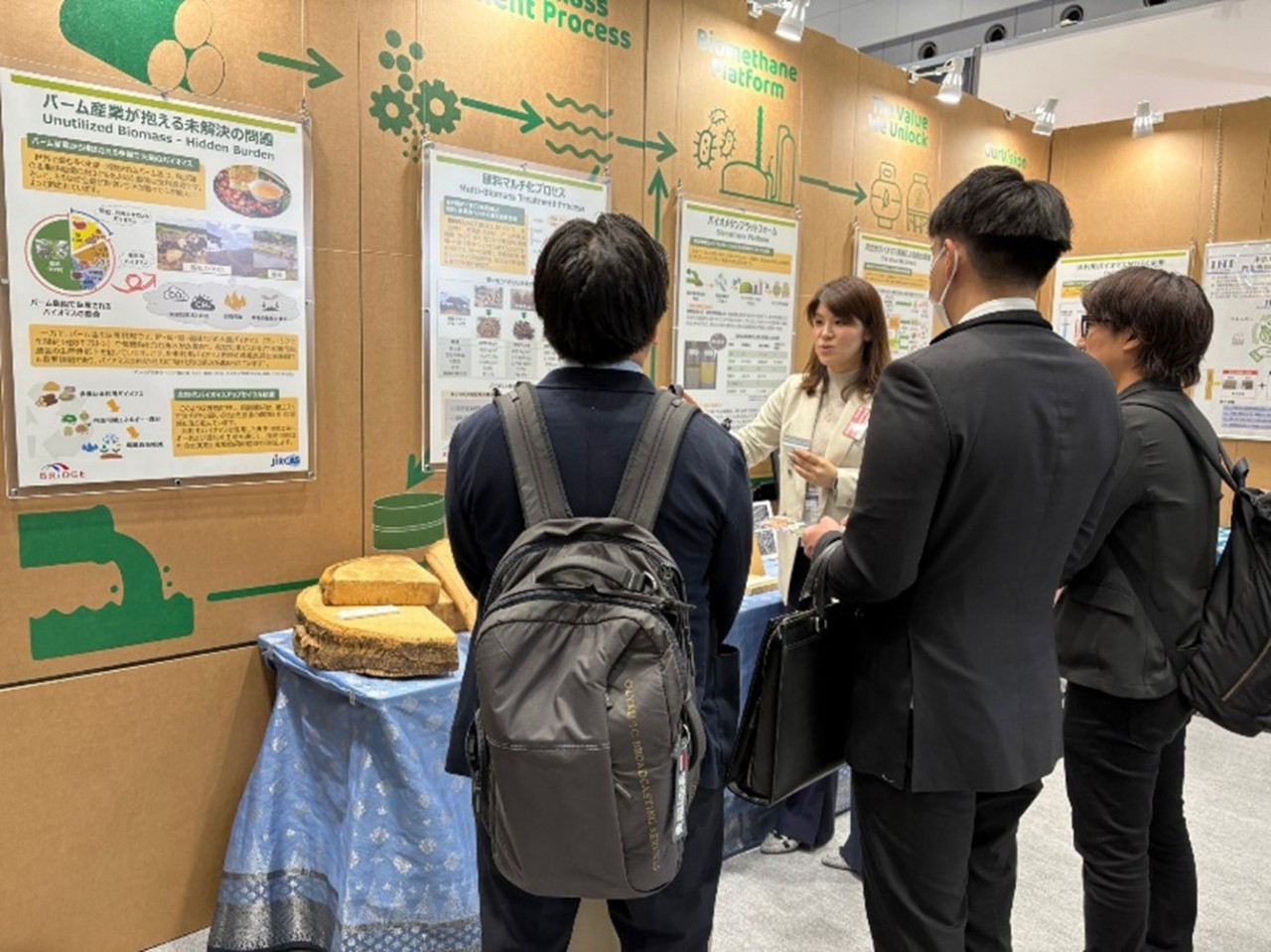
Researchers explaining the technology
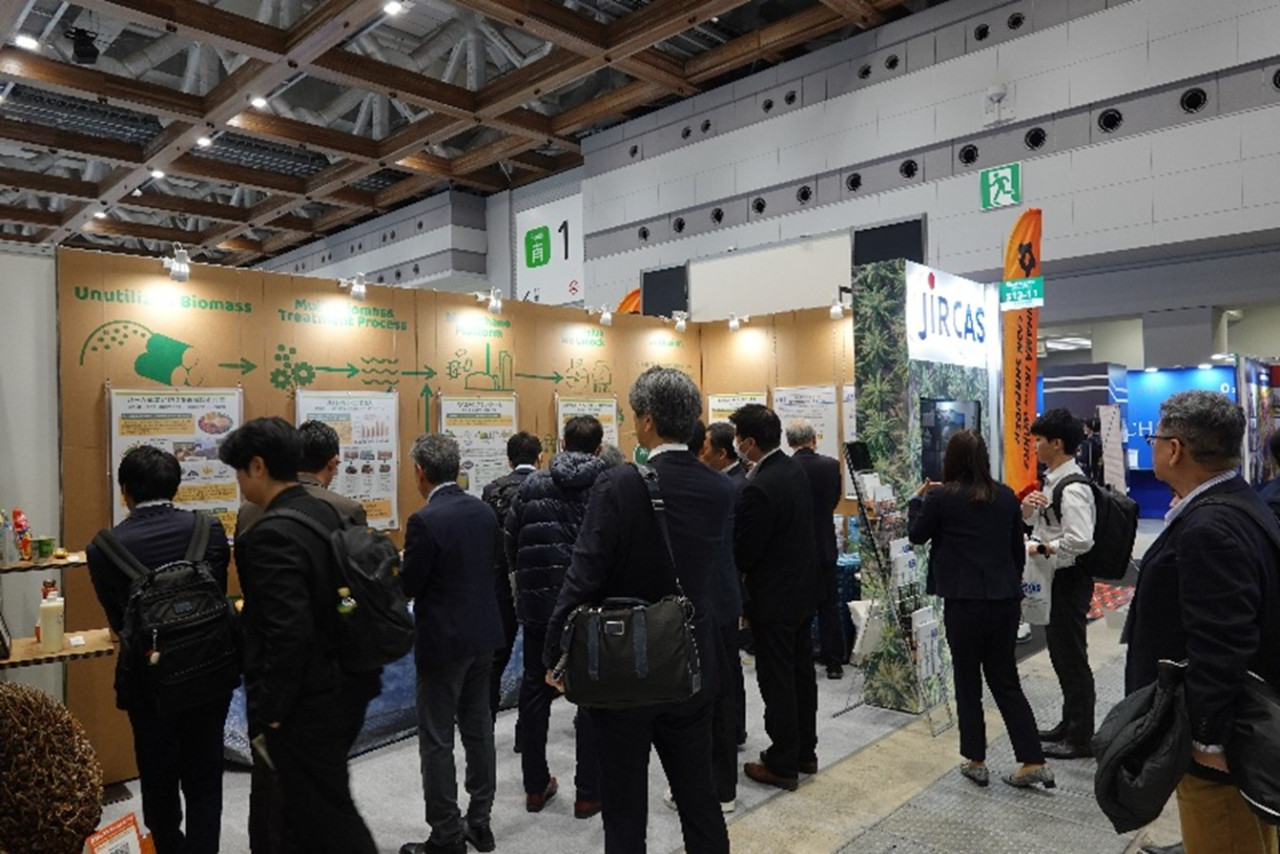
A large number of visitors attended