



Pick Up
1487. Extreme Heat Pushing Agrifood Systems to the Brink
Related Research Program
Information
1487. Extreme Heat Pushing Agrifood Systems to the Brink
On 22 April 2026, the Food and Agriculture Organization of the United Nations (FAO) and the World Meteorological Organization (WMO) published a joint report highlighting how extreme heat is having serious impacts on the health, livelihoods, and productivity of agricultural workers and is placing global agrifood systems under severe strain. The report warns that the frequency, intensity, and duration of extreme heat events have increased dramatically over the past 50 years and that related risks are expected to escalate further.
The report shows that extreme heat acts as a powerful “risk multiplier,” exerting both direct and indirect impacts across all agricultural subsectors, including crops, livestock, fisheries, and forestry. These effects are already being observed worldwide.
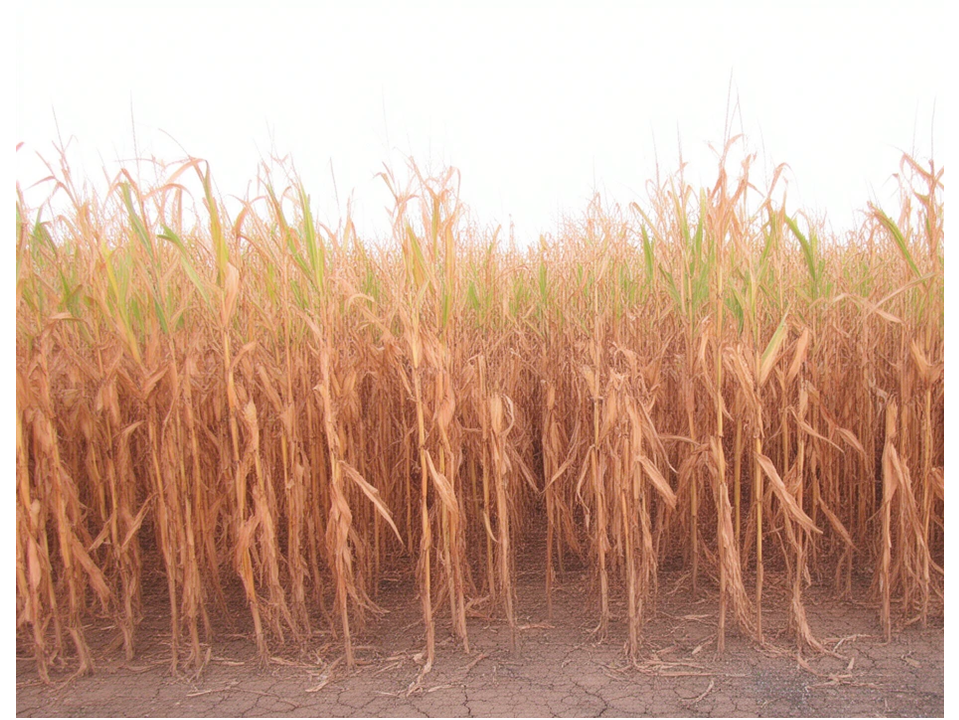
According to the report, yields of major staple crops such as maize and wheat have declined by approximately 7.5 percent and 6.0 percent, respectively, for every 1 °C increase in temperature. Looking ahead, an additional temperature increase of 1 °C could result in further yield losses of up to 10 percent.
Impacts on the livestock sector are also severe. Under high‑emissions scenarios, nearly half of the world’s livestock could be exposed to dangerous heat conditions by 2100, with estimated annual losses approaching USD 40 billion. Under a low‑emissions scenario, however, these impacts could be reduced by nearly two‑thirds.
In marine systems, marine heatwaves have already caused mass mortality events and shifts in fish distributions. Fruit and nut trees and natural forests are also experiencing declining productivity due to rising temperatures and increased wildfire risk. Agricultural workers themselves are on the frontlines of extreme heat, facing heightened health risks and declining labour productivity. The report warns that these losses can trigger a negative feedback loop, whereby agricultural expansion to compensate for reduced output leads to higher greenhouse gas emissions, further intensifying climate change.
The report emphasizes that strengthening adaptation measures is essential to address changes that have already occurred and impacts that are now unavoidable. The need for action is particularly urgent in vulnerable tropical and subtropical regions. Because extreme heat is to some extent predictable, enhancing climate services and early‑warning systems and linking them to anticipatory action represents a critical opportunity.
At the same time, with global mean temperatures approaching and potentially exceeding the 1.5 °C threshold set out in the Paris Agreement, the report concludes that adaptation alone will not be sufficient. Ambitious, coordinated international efforts to reduce greenhouse gas emissions are identified as the only durable solution to safeguard the future of global agrifood systems from the escalating threat of extreme heat.
Reference
FAO and WMO. 2026. Extreme Heat and Agriculture – FAO–WMO Joint Report. Rome and Geneva.
https://doi.org/10.4060/cd9394en
(Contributor: IIYAMA Miyuki, Strategic Coordination Office)