



Pick Up
1469. Is Even 2°C Not Enough? A New Reality of Climate Change Risk
Related Research Program
Information
1469. Is Even 2°C Not Enough? A New Reality of Climate Change Risk
"A serious climate crisis will occur when global warming reaches 3°C or 4°C"—this understanding has been widely shared until now. However, a study has been published that casts doubt on this premise. According to a recent study published in Nature, even a warming of just 2°C could have serious impacts on society and ecosystems.
Risks Not Visible in "Averages"
Until now, the risks of climate change have often been evaluated by the "average value of multiple climate models." Worst-case scenarios are typically discussed in terms of average predictions for when global warming reaches 3°C or 4°C.
However, this study points out the limitations of this method because "extreme cases" that are hidden by averages can actually occur.
"Extreme Impacts" that Can Occur Even at 2°C
The study focused on three particularly important areas:
- Heavy rainfall in densely populated areas
- Droughts in major agricultural regions worldwide
- Extreme fire weather conditions in forests
As a result, some climate models predicted that the impacts of 2°C warming would be more severe than the average predictions for 3°C or 4°C. In other words, we cannot say, "It's okay because global warming is only 2°C."
Serious Impacts on Food Security
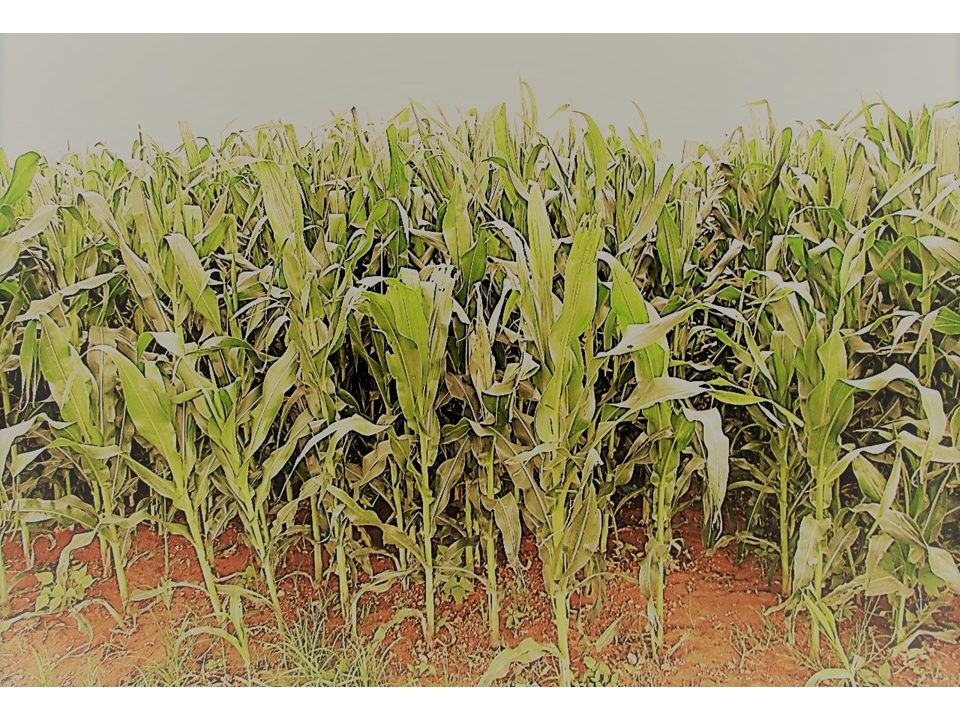
The impact on agriculture is of particular concern. In production areas of major crops such as sorghum, wheat, soybeans, and rice, there was a large variation in drought risk predictions: some models showed no change, while others predicted a drought frequency increase of more than 50%. Furthermore, 10 out of 42 climate models showed a drought risk that exceeds the average prediction for a 4°C warming, even with a 2°C warming scenario.
This is a risk that cannot be ignored for global food supplies and supply chains. Simultaneous crop failures in multiple grain-producing regions would have a significant impact on international markets.
Uncertainty Is Not a "Reassurance."
Interestingly, the main cause of this variability in results is not natural variability, but differences in climate models. In other words, while future climate is still uncertain, there is a good chance it could worsen more than expected. Looking only at averages can underestimate these risks and lead to a false sense of security that "it's still okay."
Climate change countermeasures are not only about "avoiding the worst-case scenario," but also about mitigating future risks that are already real. The idea that "2°C is still safe" may no longer be valid. This study demonstrates the need to take a more realistic view of climate change risks and clearly shows that actions taken now will determine the magnitude of future damage.
(Reference) Emanuele Bevacqua, Moderate global warming does not rule out extreme global climate outcomes, Nature (2026). https://www.nature.com/articles/s41586-026-10237-9
Contributor: IIYAMA Miyuki, Information Program