



Pick Up
1462. Impact of the 2026 Middle East Conflict on Energy, Fertilizer Trade, and Food Security
Related Research Program
Information
1462. Impact of the 2026 Middle East Conflict on Energy, Fertilizer Trade, and Food Security
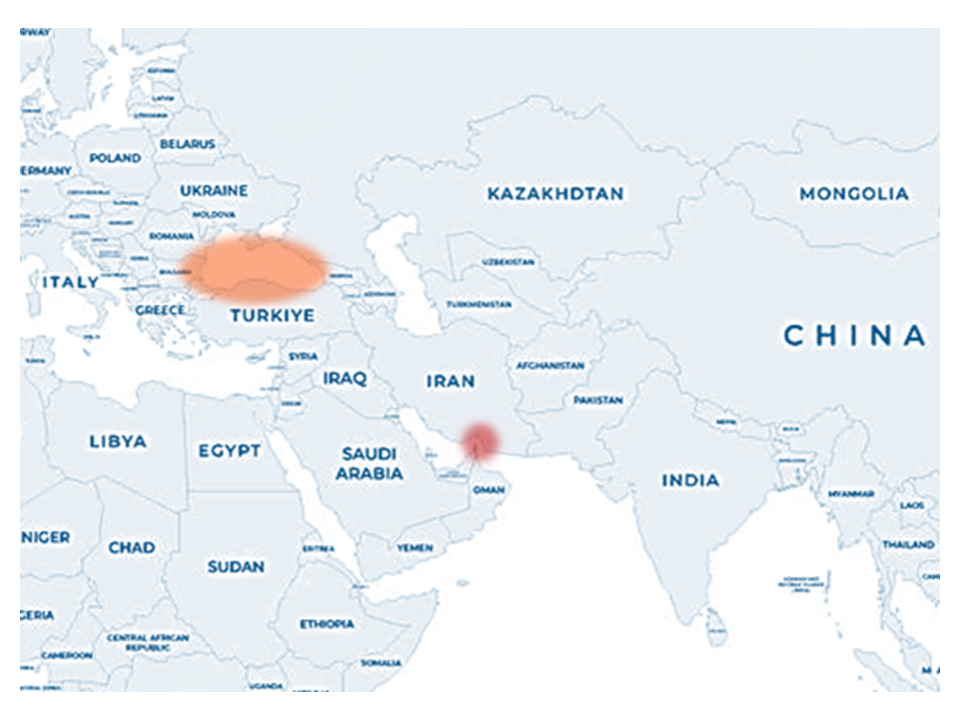
The conflict that erupted in the Persian Gulf in February 2026 is having a serious impact on the global energy, fertilizer, and agricultural and food systems. A central factor is the disruption of trade across the Strait of Hormuz, a strategic maritime corridor connecting energy-producing countries in the Gulf region with global markets. Normally, this strait carries approximately 20 million barrels of crude and refined oil per day (about a quarter of the world's oil transported by sea), in addition to substantial amounts of liquefied natural gas (LNG) and fertilizers. Within days of the conflict's outbreak, tanker traffic through the strait plummeted by more than 90%, severely restricting transport. This disruption is rapidly destabilizing global energy markets and agricultural and food systems.
The United Nations Food and Agriculture Organization (FAO) has published a report on the impact of the Middle East conflict on energy and fertilizer trade, and on food security. The report points out that fertilizer shortages and soaring energy prices threaten crop yields, and that reduced remittances and a potential shift to biofuel production could amplify volatility in food prices, particularly in Africa, Asia, and other import-dependent regions. The report also analyzes how the impact of this crisis differs from the economic impact of the Ukraine War.
The economic impact of the Ukraine War was characterized by a massive, simultaneous shock to both the direct supply of food and the inputs necessary for production. This coincided with a period of surging global demand. Russia and Ukraine are the backbone of the global agrifood system and major exporters of key agricultural products such as wheat, maize, barley, and sunflower oil. The war caused these processed agricultural products to disappear from the market immediately. At the same time, the trade disruption severely restricted Russia's exports of natural gas and fertilizers, significantly impairing other countries' ability to scale production to make up for shortages. Meanwhile, the world was just emerging from the pandemic era, and global consumer demand was extremely strong. Furthermore, adverse weather in the latter half of 2021 had reduced harvests, and global grain reserves were already somewhat depleted even before the war began. These circumstances combined to create a typical vicious cycle of food price inflation. The surge in demand for grains and oilseeds immediately triggered a severe supply shock. Food prices surged as expected, and soaring energy and fertilizer prices effectively hindered any short-term agricultural recovery.
The current conflict in the Gulf region is creating shocks of a similar or even greater magnitude than those in the energy and fertilizer markets. However, the dynamics of the food market are completely reversed. Unlike the Black Sea region, the Middle East is not a major exporter of key grains and oilseeds. Direct global supplies of wheat, corn, and soybeans have not been physically destroyed or blocked at their sources by this conflict. The most significant difference is that the Gulf states are historically one of the world's most reliant net importers of food. With the region paralyzed by conflict and blockades, a significant portion of global agricultural demand is effectively excluded from the market. Because the fundamental structure of the crisis is different, the economic consequences and necessary policy responses cannot be a repeat of those from 2022. Farmers in countries like Brazil and the United States may find themselves in a situation where, despite abundant grains, fewer buyers in the Middle East force them to pay exorbitant costs for tractor fuel and fertilizer. Therefore, the optimal policy responses will differ. Governments need to shift their focus from policies solely aimed at securing emergency food supplies to policies aimed at preventing the collapse of the domestic agricultural sector due to input cost pressures, while simultaneously developing new markets for surplus grain or finding new ways to supply the Gulf states.
(Reference)
FAO (2026) Global Agrifood Implications of the 2026 Conflict in the Middle East Impacts on energy and fertilizer trade, and food security. https://openknowledge.fao.org/handle/20.500.14283/cd8875en
Contributor: IIYAMA Miyuki, Information Program