



Pick Up
1394. World Soil Day 2025
Related Research Program
Information
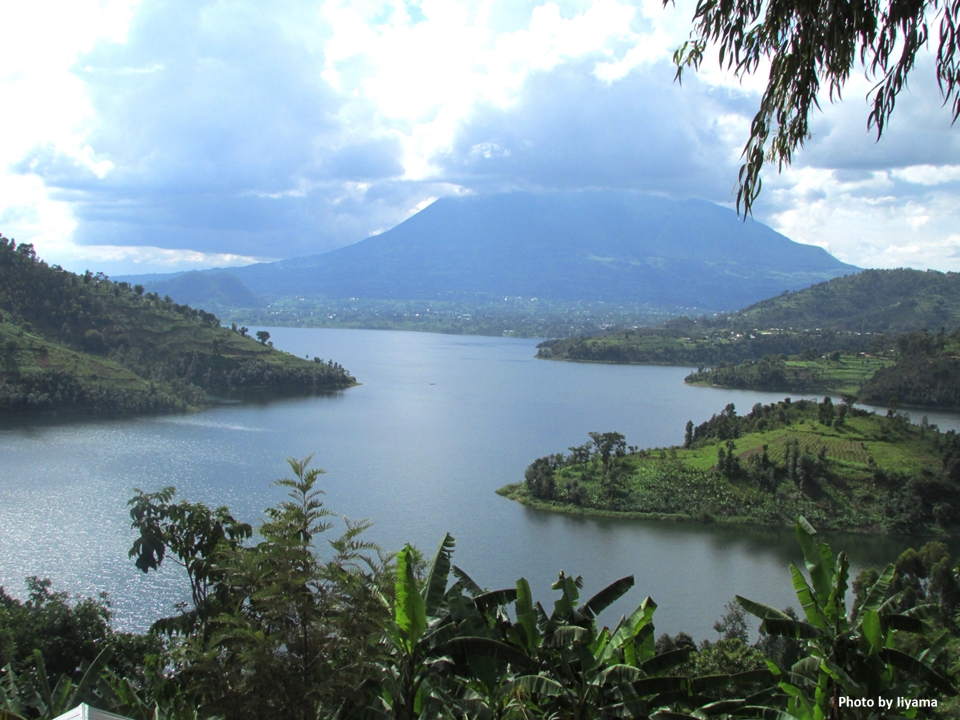
1394. World Soil Day 2025
World Soil Day, held annually on December 5th, recognizes the importance of healthy soil and advocates for the sustainable management of soil resources. World Soil Day 2025, with the theme "Healthy Soils for Healthy Cities," focuses on urban landscapes. Beneath asphalt, buildings, and roads lies soil, which, when permeable and covered with vegetation, helps absorb rainwater, regulate temperature, store carbon, and improve air quality. However, when cemented, these functions are lost, leaving cities more vulnerable to flooding, overheating, and pollution. From policymakers to citizens, everyone must fundamentally rethink urban spaces to build greener, more resilient, and healthier cities. https://www.un.org/en/observances/world-soil-day
Meanwhile, feeding the global population, both urban and rural, requires sound management of land, soil, and water. The recent report by the Food and Agriculture Organization of the United Nations (FAO), "The State of the World's Land and Water Resources for Food and Agriculture 2025 (SOLAW 2025)," highlights the significant potential of land and water resources to support a sustained increase in food production.
According to the report, an estimated 673 million people experienced hunger in 2024, and many regions continue to face severe and recurrent food crises. As the global population approaches 9.7 billion by 2050, these pressures will intensify, requiring agriculture to increase food, feed, and fiber production by 50% and freshwater by 25% compared to 2012 levels.
Over the past 60 years, global agricultural production has tripled, while agricultural land has increased by only 8%. However, this has come at a high environmental and social cost. According to FAO data, today, more than 60% of human-induced land degradation occurs on agricultural land. Deforestation and alteration of fragile ecosystems undermine the critical biodiversity and ecosystem functions on which agriculture itself depends.
The report notes that the world has the potential to feed up to 10.3 billion people by 2085, when global population is expected to peak. However, achieving this goal depends on food production methods and the environmental, social, and economic costs. Future productivity gains will need to come from smarter production, not simply from increased production. This means closing yield gaps (the difference between current and potentially achievable yields), diversifying into more resilient crop varieties, and adopting locally-based, resource-efficient production methods suited to specific land, soil, and water conditions.
In rain-fed agriculture, on which millions of smallholder farmers depend, significant productivity gains can be achieved through conservation agriculture, drought-tolerant crops, and production practices such as soil moisture conservation, crop diversification, and organic composting. These production practices can enhance food security for millions of smallholder farmers while improving soil health and on-farm biodiversity. Agroforestry, rotational grazing, improved feed, and integrated systems combining rice and aquaculture offer new pathways to sustainable intensification. The potential for significant productivity gains is particularly high in developing regions. For example, in sub-Saharan Africa, under proper management, rain-fed crop yields currently reach only 24 percent of their potential.
The report also emphasizes that there is no one-size-fits-all solution. Sustainable solutions require coherent policies, strong governance, accessible data and technology, innovation, risk management, sustainable financing and investment, and strengthened capacity across organizations and communities.
Reference
FAO. 2025. The State of the World’s Land and Water Resources for Food and Agriculture 2025 – The potential to produce more and better. Rome.
Contributor: IIYAMA Miyuki, Information Program