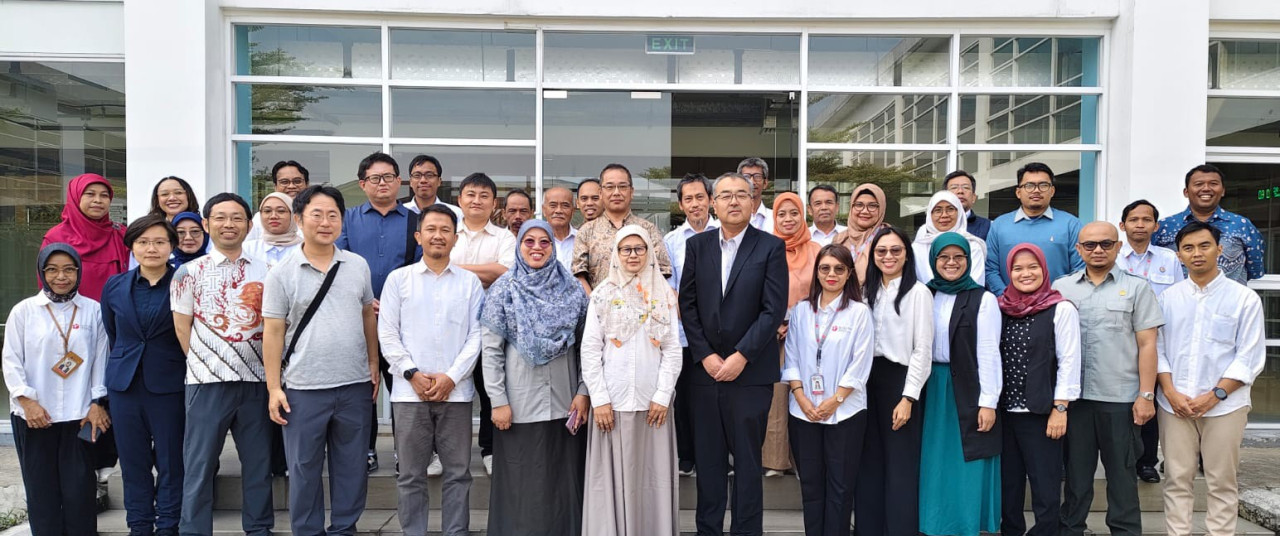



From July 20 to 22, 2026, the Japan International Research Center for Agricultural Sciences (JIRCAS) and the Research Organization for Agriculture and Food (ORPP) of Indonesia's National Research and Innovation Agency (BRIN) jointly hosted a “Workshop on Building and Implementing Environmentally Harmonized Crop Production Technology Packages” at KST Soekarno BRIN Cibinong, Bogor Regency, Indonesia.
The workshop was organized as part of the launch of the JIRCAS-funded project titled “Building and Implementing Environmentally Harmonized Crop Production Technology Packages” (abbreviated as the “Environmentally Harmonized Crops” project). Its objective was to establish the research implementation framework and share the direction of demonstration studies among participating organizations. A total of 43 participants (40 in person and 3 online) attended, representing JIRCAS, BRIN, Indonesia's Ministry of Agriculture, the Coordinating Ministry for Food Affairs, private companies, and user organizations.
This project aims to develop and promote crop production technologies that both adapt to and mitigate climate change while reducing environmental impacts. Focusing on Indonesia and other countries in the Asian monsoon region, the project combines breeding materials and crop management technologies for rice and soybean production. By assessing greenhouse gas (GHG) emissions as well as fertilizer and pesticide use, the project seeks to establish a core package of environmentally harmonized crop production technologies suited to local conditions. In addition, it aims to accelerate social implementation by developing regional deployment models using unmanned aerial vehicles (UAVs) and by examining implementation strategies.
On the first day of the workshop, participants shared an overview of the project, research plans, and policy trends, and discussed research content and potential demonstration sites focusing on rice and soybeans. On the second day, discussions were held by specific issues to clarify experimental plans and role allocation. On the final day, the test implementation methods were confirmed at the rice paddies at the candidate demonstration site. Through these discussions, the participating organizations developed a common understanding of the direction of the demonstration research and the collaborative framework required for implementation.
With this workshop serving as a catalyst, collaborative efforts to demonstrate environmentally harmonized crop production technologies in the field have officially begun.
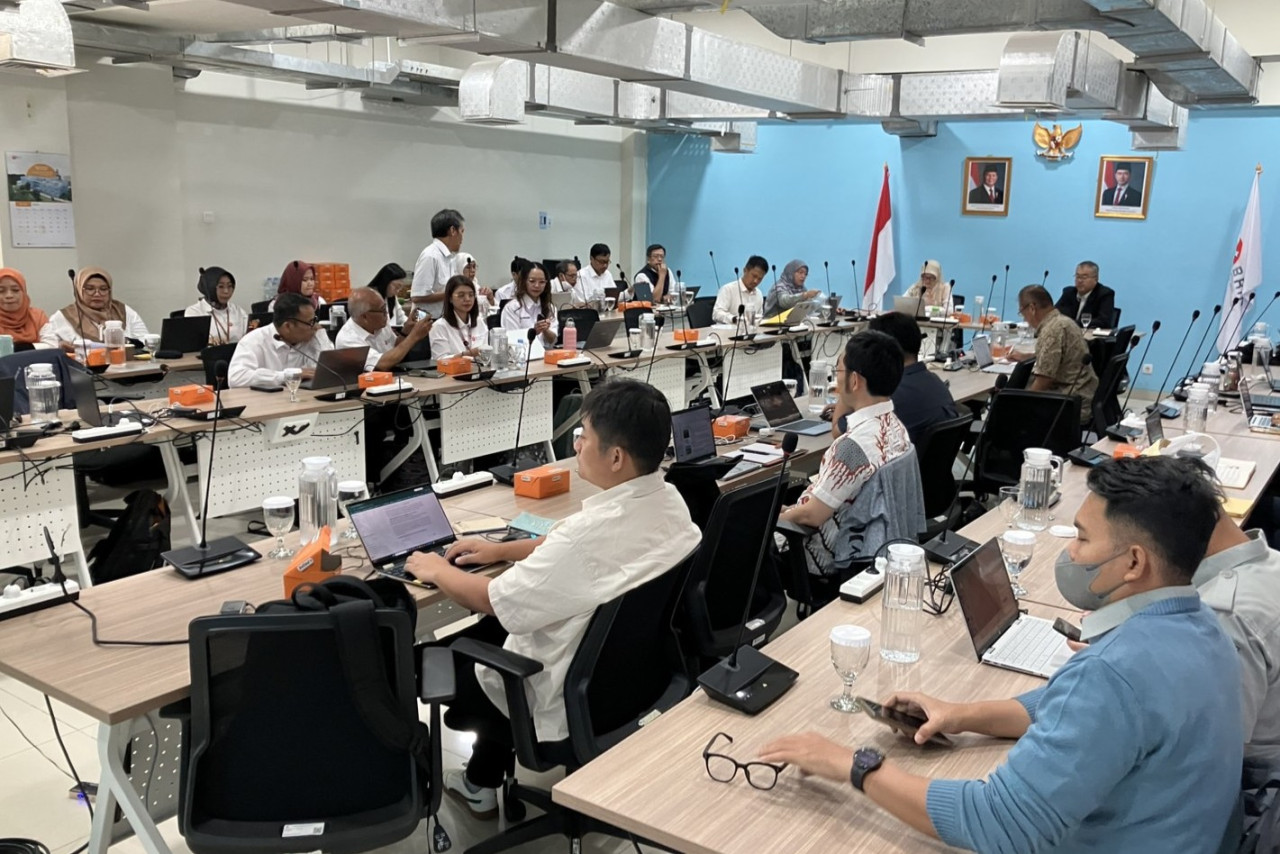
Sharing the project overview and research plans at the plenary session
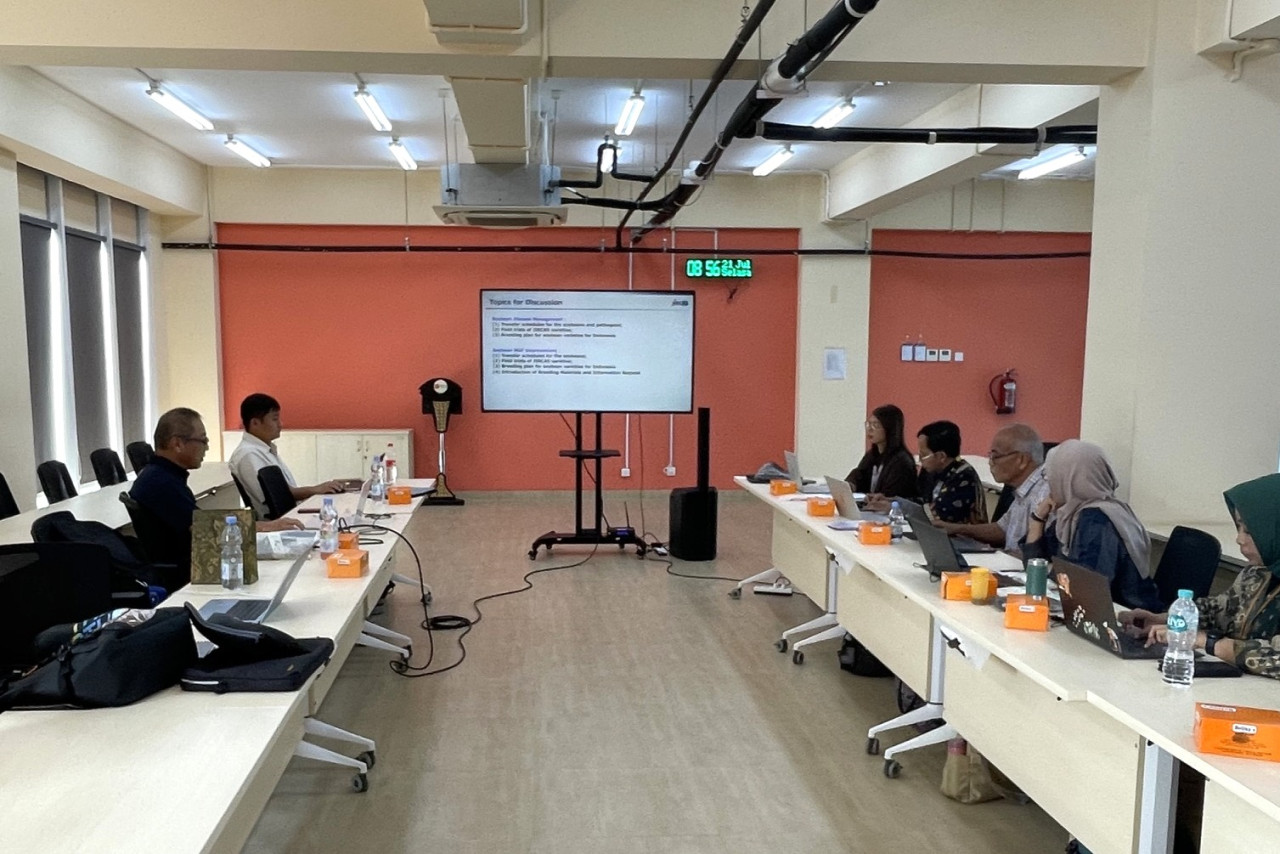
Refining experimental plans and clarifying roles and responsibilities during thematic discussions
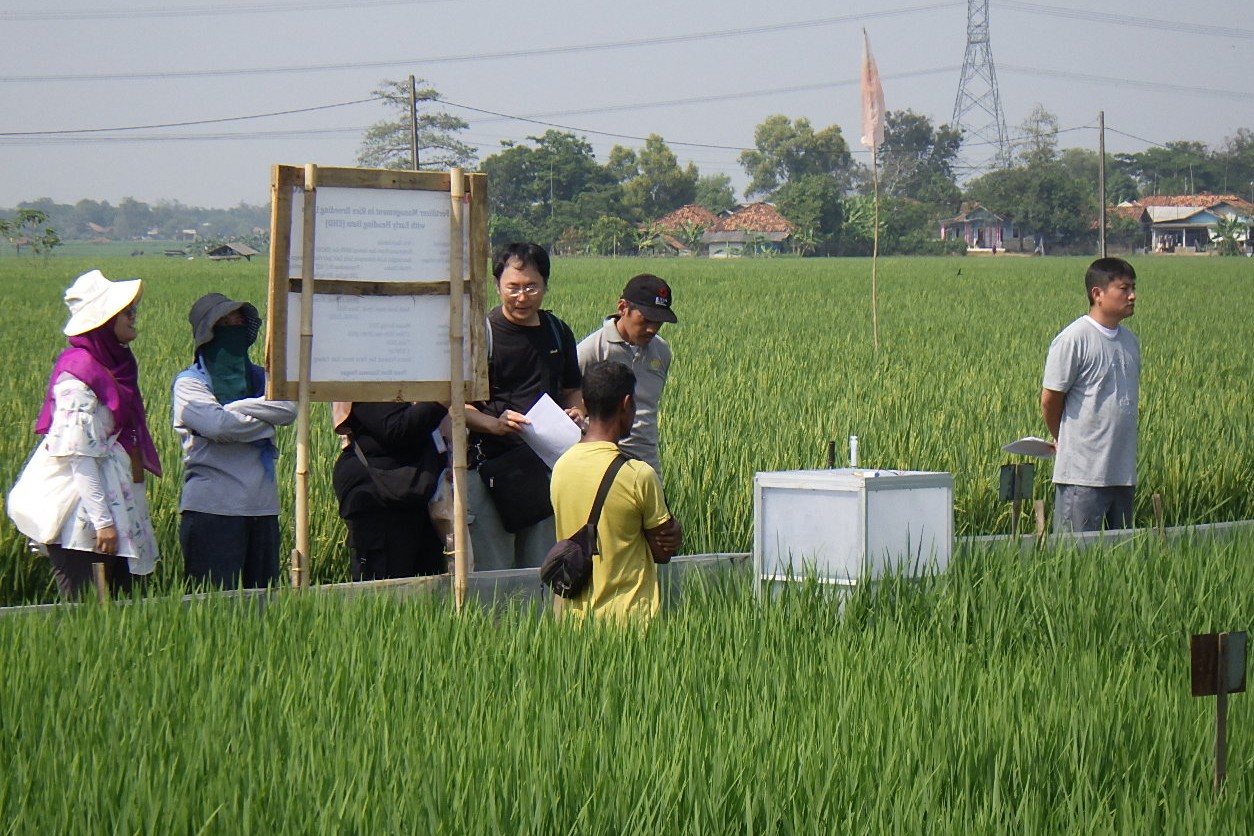
Confirming the trial implementation methods at the candidate demonstration site