



Pick Up
1460. The Contribution of Forests and Water Cycles to Climate Change Mitigation and Adaptation
Related Research Program
Information

1460. The Contribution of Forests and Water Cycles to Climate Change Mitigation and Adaptation
This weekend marks two significant environmental observances: International Forest Day on March 21st and World Water Day on March 22nd.
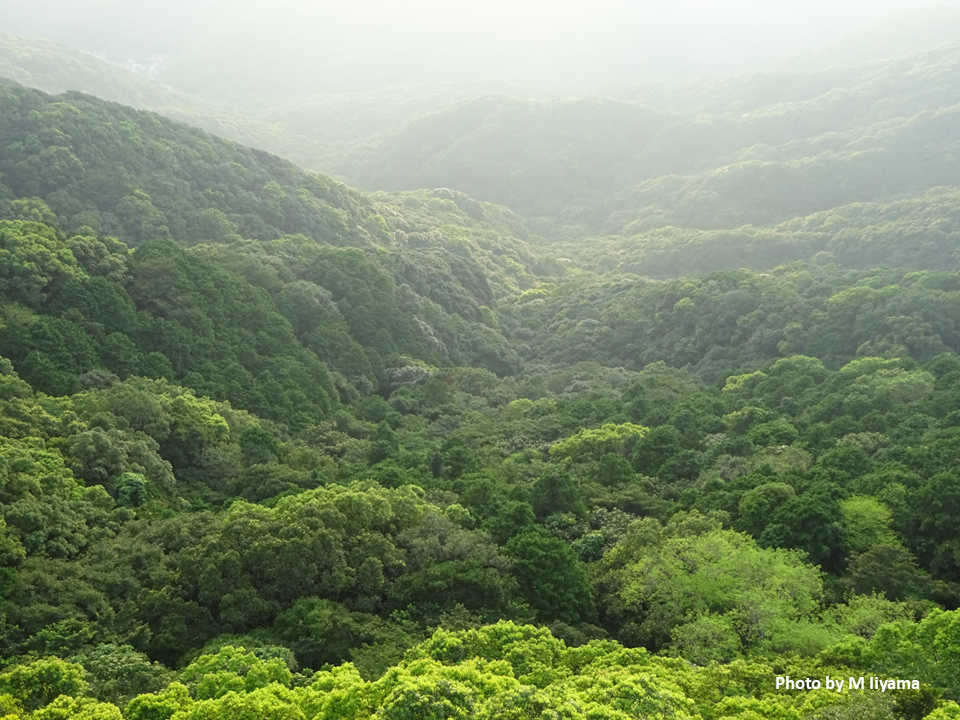
Forests and water cycles are closely interconnected. Forest planting, maintenance, and regeneration mitigate climate change through carbon sequestration, while forests also contribute to climate change adaptation by cooling local environments and regulating water cycles.
A review paper published in Science discussed the scale-dependent mechanisms by which forests modulate climate, revealing the mechanisms of their contributions to global mitigation and regional adaptation. At the regional level, forests act as thermal buffers, providing cooling in warm conditions and warming in cold conditions. In dense forest areas, trees contribute to global cooling primarily through carbon absorption, offsetting to some extent the warming caused by albedo. Forests also influence the water cycle by facilitating rainfall interception, evapotranspiration, and cloud formation, reducing flood risk in humid areas while tending to reduce downstream water volume, particularly in arid regions. These interacting processes demonstrate that the greatest climatic benefits are obtained in areas where forests naturally grow, highlighting the importance of forests in both climate adaptation and mitigation.
(Reference)
Josephine Elena Reek et al. More than mitigation: The role of forests in climate adaptation. Science, 12 Feb 2026, Vol 391, Issue 6786, pp. 669-678. https://www.science.org/doi/10.1126/science.ads4361
Contributor: IIYAMA Miyuki, Information Program